


Last Friday, March 13, President Trump signed two executive orders (EOs). Their intention is to ease the housing crisis.
One seeks "to eliminate unnecessary regulatory burdens that delay housing construction and increase housing costs for American families," according to the White House website. The other wants "to reduce regulatory burdens that have driven up mortgage costs, limited access for creditworthy borrowers, and weakened community bank participation in lending," says a different fact sheet from the same source.
“We feel very optimistic that we can restore the American dream,” Bill Pulte, director of the Federal Housing Finance Agency, told The Wall Street Journal in an exclusive interview on Friday.
Streamlining Housing Construction
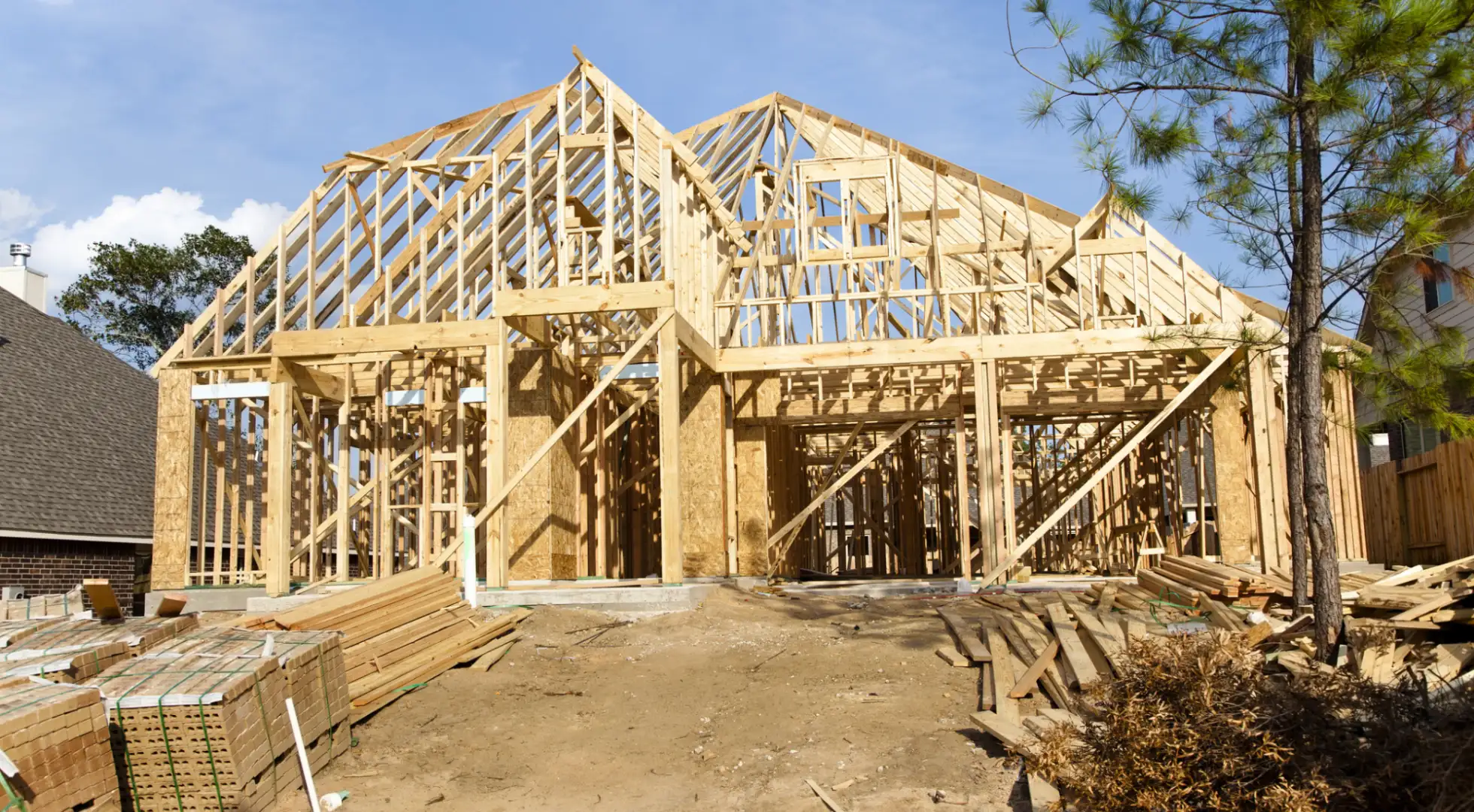
The first EO seeks to cut through some of the red tape that slows down construction projects. "Layers of unnecessary regulatory barriers, slow permitting processes, and onerous mandates at all levels of government have delayed construction, restricted development, and driven up the costs of new housing," said PBS News, quoting a draft of the order.
The White House gives more detail (we quote). Among other measures, the EO will:
- Review and revise stormwater, wetlands, and other water-related permitting requirements to reduce building and ownership costs, streamline Federal regulatory approvals, and increase home insurability.
- Eliminate unduly burdensome rules and reform programs that constrain residential development and housing affordability.
- Eliminate or reform overly burdensome energy, water, and alternative-energy requirements for housing, including manufactured homes.
- Develop guidance simplifying historic preservation reviews to reduce barriers to building housing and related infrastructure.
- Provide incentives to State and local governments that adopt regulatory best practices to speed up permitting, curtail “green” building codes, reduce costly design and building mandates, enable innovative home construction methods, and extend residential development.
EOs only instruct federal government departments to draw up proposals to achieve the president's goals.
Reducing Mortgage Regulation
According to the White House (and, again, we quote), the second EO seeks to:
- Help enable smaller banks to facilitate more affordable lending, including modernizing and streamlining regulatory and documentation requirements.
- Focus on prudent underwriting, rather than overly technical process-oriented approaches to lending, and to support construction lending by community banks.
- Modernize Home Mortgage Disclosure Act (HMDA) reporting requirements to reduce compliance burdens and protect borrower privacy.
- Engage in responsible, safe, and efficient reforms to capital and liquidity rules to remove undue burdens on lending.
- Modernize appraisal regulations by, for example, expanding alternative valuation models, reducing unnecessary appraisal requirements for low-risk transactions, and setting clearer timelines for appraisals.
- [Expand] electronic signatures, e-notes, and remote online notarization, which is anticipated to reduce lending costs and homebuying timelines.
- Adopt new supervisory criteria that promote portfolio mortgage servicing as a core community banking function and otherwise take other actions that lower barriers to entry and costs of operation for community banks in the mortgage lending business.
The idea is that less red tape and more competition among lenders should cut the cost of mortgages. "Pulte estimated that Friday’s executive orders and expected changes to bank capital rules would lower mortgage rates by as much as half a percentage point," says The Journal.
On Monday, March 16, the 30-year mortgage rate average was 6.3% or 6.4%, depending on the source. The EO's proposals, if desired results were achieved, could reduce that to the high 5s.