

Many condominium boards may have to hike residents' dues following a change in government regulations, according to The Wall Street Journal last week. Meanwhile, a different Journal story, dated Aug. 1, said homeowners association-related foreclosures jumped nearly 40% over the two years ending in the first quarter of 2026.
Condo Owners Likely Face Higher Dues
A new rule implemented by Fannie Mae and Freddie Mac this month is likely to see many condo boards hike the dues residents must pay. Fannie and Freddie are government-sponsored enterprises (GSEs) and are regulated by the Federal Housing Finance Agency (FHFA).
The new rule increases to 15% from 10% the percentage of each board's income that it must pay into its reserves, unless those reserves are already sufficient and meet strict criteria.
In some ways, that's a good thing. A condo board with insufficient reserves often has to present its residents with enormous bills (aka special assessments) if major repairs become necessary. The bigger the reserves, the lower the amount each condo owner must pay at such times.
And this is a live problem. Association Reserves, a company that advises condo boards and monitors reserves more widely, estimated in November 2025 that:
- 26% of reserve funds are well funded
- 40% of reserve funds are underfunded
- 34% of reserve funds are severely underfunded
Of course, Fannie and Freddie's rules have no direct legal powers over condo boards. But there could be big consequences for residents if boards ignore those rules.
Fannie and Freddie's Leverage
Fannie and Freddie accounted for 51% of all mortgages originated last August, according to the Scotsman Guide, the latest data we could find. So, a board that refuses to conform to the new rule might find the pool of buyers for residents who wish to sell roughly halved. And that will almost certainly reduce the value of each condo unit.
The Journal quotes Fannie's estimate that the rule change could cost condo owners an extra $13 or $14 a month, so in most cases the change is unlikely to be significant. But it lands at a difficult time for owners.
National Association of Realtors data for existing home sales shows condo and co-op sales declining to a seasonally adjusted annualized rate of 360,000 in June 2026, down from 373,000 in 2025, 391,000 in 2024, and 428,000 in 2023. That's a 15.9% drop in just three years.
HOAs Foreclosing on Residents at a Faster Rate
"America’s homeowners associations [HOAs] are running out of money — and patience," reported The New York Post last week. "Amid rising insurance premiums, drained reserve funds and increased safety measures in the wake of the Surfside condominium collapse, the country’s hundreds of thousands of homeowners associations are cracking down on delinquent residents."
When the Post says HOAs are running out of patience, it means it. Many are skipping grace periods and passing delinquent accounts for collection much earlier than they used to.
And for seriously distressed homeowners, the issue can escalate all the way to foreclosure.
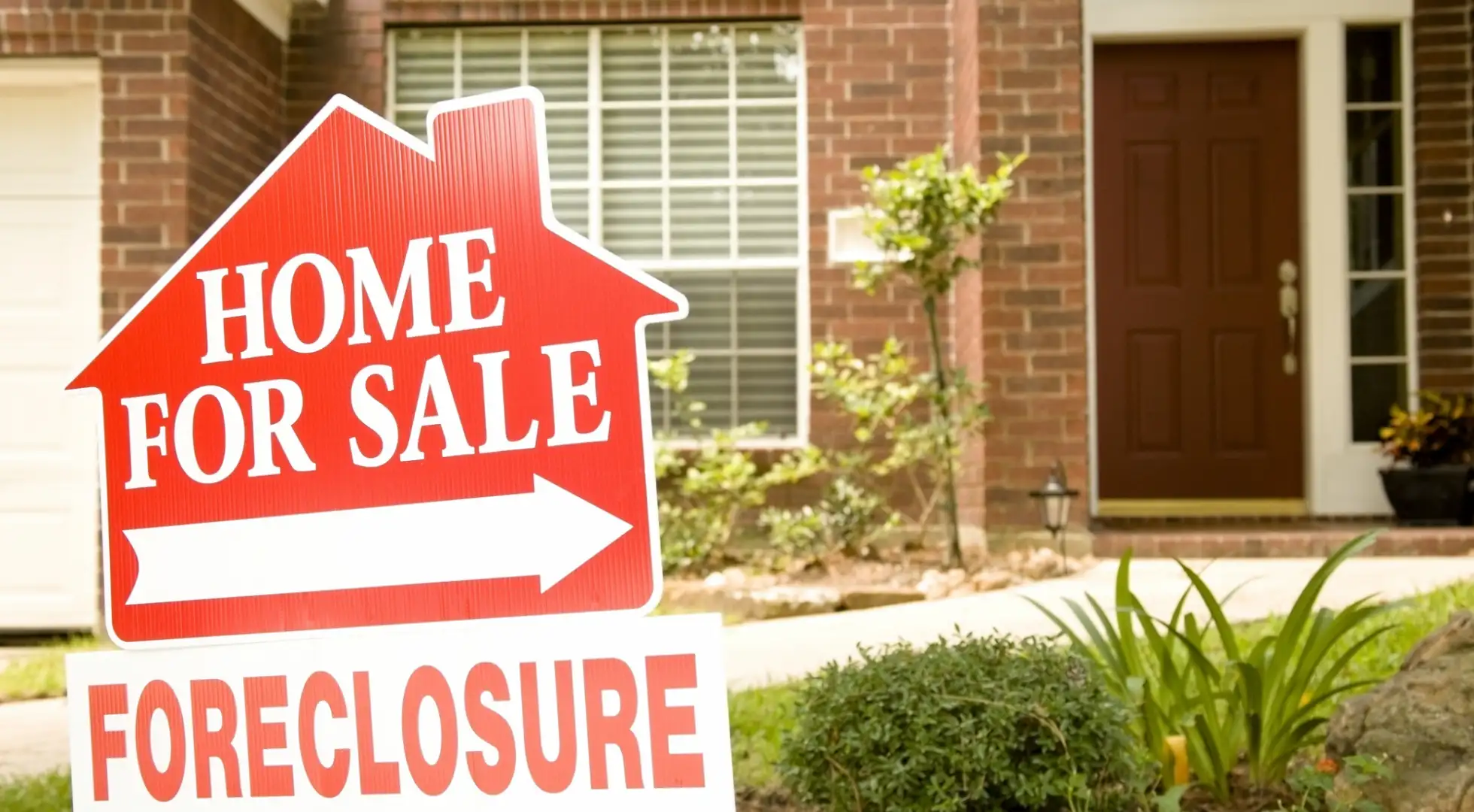
"There were 6,376 properties with HOA-related foreclosure filings in the first quarter of this year — spanning initial default notices to completed sales," says The Wall Street Journal's report. "That is up nearly 40% from two years earlier and rising faster than overall mortgage foreclosure rates, according to real-estate analytics firm Attom."
HOAs and Residents Are Struggling Together
HOAs are as financially stressed as their residents. And the Journal says many reserve funds are running low, owing to rising costs for building repairs and wider maintenance.
Couple that with an increasing number of members falling behind on their dues, and many see little choice but to pursue what's owed aggressively.
The Journal cites one example, Fairview Condo 1 in Middle Island, N.Y. Monthly dues for each of its 202 units are $595.
But 15 residents are in arrears, leaving a monthly shortfall of about $8,925. The board expects — and budgets for — eight delinquencies at any one time, but it can't cope with 15.
Industry Group Urges Limits on HOA Foreclosures
Within the law, each HOA gets to set its own rules and policies. But the Community Associations Institute (CAI), which represents many HOAs, urges them to foreclose only on seriously late dues rather than fines. "While CAI does not advocate for the use of foreclosure solely for fines, CAI does support the use of liens for fines, as this process ensures accountability and payment whenever a unit is sold," says the institute. "CAI opposes foreclosures in situations that are not appropriate such as for trivial debts."
It points out that, unlike mortgage lenders, HOAs don't get to choose their members by checking their creditworthiness. So, they need remedies for those that can't or won't pay, including foreclosures as a last resort.
CAI's approach to community association foreclosures pushes for a fair and equitable process that includes:
- Giving owners an opportunity to meet with the community's Board of Directors before legal action is taken.
- Providing owners with timely and accurate notice before referring their account to collections or beginning the foreclosure process. This gives owners who are in arrears a fair opportunity to pay or contest their balance.
- Keeping expenses and costs associated with the foreclosure process reasonable.
- Giving notice to all other lienholders so they have the right to participate in the process.
- Ensuring that association policies and procedures governing when foreclosure is initiated are reasonable and treat all owners equally.
CAI policy isn't law, and HOAs can take or leave its advice. But it does represent a balanced and sensible approach to the use (or abuse) of HOA powers. And it might even sway a judge during borderline foreclosure proceedings.