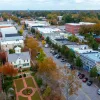



North Carolina’s housing market spans a wide range of communities, from bustling urban centers like Raleigh and Charlotte to the scenic mountains in the west and the coastal towns along the Atlantic. Whether you’re drawn to city life or a quieter rural setting, understanding what financial support is available can make all the difference in your path to homeownership.
For many buyers, down payment assistance (DPA) can help bridge the gap between savings and upfront costs. Across North Carolina, a variety of programs from state agencies, local governments, and nonprofit organizations offer grants, forgivable loans, and deferred-payment loans to make homeownership more accessible.
This guide highlights some of the most well-established and impactful DPA programs available statewide, as well as by county and city. While it’s not an exhaustive list, it focuses on options with consistent funding and meaningful benefits. We’ll continue to update this resource as new opportunities become available.
Understanding Area Median Income (AMI)
Down payment assistance programs often take into account an applicant's qualifying income to ensure that funds are allocated to helping homebuyers most in need. Most commonly, this is accomplished by setting an income cap relative to the area median income (AMI). This limit typically ranges between 80% and 120% of AMI, depending on the DPA program.
For example: You're applying for down payment assistance with a program that requires applicants earn no more than 80% of area median income. If AMI where you're planning to purchase a home is $95,000, you could earn up to $76,000 and still be eligible.
>>>DISCOVER: 10 Most Affordable Housing Markets in North Carolina
Statewide Down Payment Assistance Programs
North Carolina offers several excellent statewide programs through the North Carolina Housing Finance Agency (NCHFA), a trusted source for homeownership support. These programs can often be layered together for greater financial benefit.
NC Home Advantage Mortgage
The NC Home Advantage Mortgage provides up to 3% of your loan amount as down payment assistance.
Eligibility: Available to both first-time and move-up buyers with income ≤ $158,000 and a minimum credit score of 640.
NC 1st Home Advantage Down Payment
The NC 1st Home Advantage Down Payment offers $15,000 in down payment assistance as a 0% second mortgage, forgiven after 15 years.
Eligibility: Must be a first-time buyer, military veteran, or purchasing in a targeted census tract, and have a minimum credit score of 640.
Community Partners Loan Pool (CPLP)
The Community Partners Loan Pool (CPLP) provides up to 25% of the home’s purchase price (maximum $50,000) as a 0% interest, deferred second mortgage when paired with an NC Home Advantage first mortgage. When paired with a USDA Direct loan, assistance is limited to 10% of the purchase price.
Eligibility: For low- to moderate-income buyers earning ≤ 80% of AMI, combined with an NC Home Advantage first mortgage or USDA Direct loan.
FHLBank Atlanta Homebuyer Assistance Programs
FHLBank Atlanta offers several homebuyer assistance programs through participating member financial institutions in North Carolina. The First-Time Homebuyer Product provides up to $17,500 for down payment and closing costs, the Community Partners Product provides up to $20,000 for eligible public service professionals, military members, veterans, and surviving spouses, and Workforce Housing Plus+ provides up to $15,000 for qualifying moderate-income buyers.
Eligibility: Program requirements vary. The First-Time Homebuyer and Community Partners products generally serve households at or below 80% of AMI, while Workforce Housing Plus+ is for households earning 80.01% to 120% of AMI. Buyers must apply through a participating FHLBank Atlanta member financial institution.
Down Payment Assistance Programs by County
Counties across North Carolina also offer their own programs, often funded by local housing initiatives or HUD’s HOME program.
Wake County Affordable Homeownership Program
The Wake County Affordable Homeownership Program offers up to $50,000 in forgivable loans for first-time buyers purchasing homes outside Raleigh and Cary city limits.
Eligibility: Household income ≤ 80% of AMI, credit score of 640 or higher, and completion of homebuyer education through DHIC.
Forsyth County Affordable Homeownership Opportunity Program (AHOP)
The Forsyth County AHOP provides up to $40,000 as a 0% deferred-payment loan for down payment and closing costs. Qualifying buyers may also be able to combine the program with the Community Partners Loan Pool for additional assistance.
Eligibility: Must be a first-time homebuyer, have an income ≤ 80% of AMI, have an acceptable credit rating, and complete an 8-hour homeownership education course.
Cumberland County GAP and Down Payment Assistance
Cumberland County GAP and Down Payment Assistance programs provide up to $25,000 in combined assistance. The county’s DAP offers up to $5,000, while GAP assistance can provide up to $20,000. Both are offered at a 4% interest rate, with repayment terms varying by program.
Eligibility: Must be a first-time homebuyer or displaced homemaker, meet the county’s income requirements, and complete a HUD-approved homebuyer education course. Properties must be in eligible areas of Cumberland County outside Fayetteville.
Mountain Housing Opportunities (Western NC)
Mountain Housing Opportunities serves Buncombe, Madison, Haywood, and Henderson counties. They offer up to $40,000 in Asheville and up to $30,000 elsewhere in the four-county service area through deferred-payment, shared-appreciation loans to help cover down payment and closing costs.
Eligibility: Buyers must complete homebuyer education, and purchase within the eligible counties.
Unifour Consortium Down-Payment Assistance Program
Unifour Consortium Down-Payment Assistance Program provides 15% of the purchase price, up to $20,000, as a 0% interest loan with no monthly payments. Half of the loan is forgiven after 10 years.
Eligibility: Must be a first-time homebuyer purchasing in Alexander, Burke, Caldwell, or Catawba County, have a minimum credit score of 620, contribute at least $500 toward the purchase, and use a participating lender.
Down Payment Assistance Programs by City
Several North Carolina cities offer robust homebuyer assistance programs, some among the most generous in the country.
City of Raleigh Homebuyer Assistance Program
Raleigh’s Program provides up to $45,000–$60,000 in 0% deferred loans for first-time homebuyers, with higher assistance available in targeted neighborhoods.
Eligibility: Must earn ≤ 80% of AMI, be a first-time buyer, and purchase within city limits. Traditional assistance has a maximum purchase price of $384,750, while the Enhanced program allows up to $450,000 in targeted areas.
City of Charlotte House Charlotte Program
The House Charlotte Program (via DreamKey Partners) offers up to $80,000 in 0% deferred loans for down payment and closing costs. Assistance varies by income tier and can include base and matching assistance. The loan has a 30-year term and is forgivable in year 31.
Eligibility: Must be a first-time homebuyer, income ≤110% of AMI, and purchase a home within Charlotte city limits priced up to $365,000.
City of Durham Down Payment Assistance Program
Durham’s DPA offers up to $80,000 through a 0% 15-year forgivable mortgage for eligible first-time buyers purchasing within city limits. One-fifteenth of the original balance is forgiven each year the borrower meets the occupancy requirements.
Eligibility: Must be a first-time buyer, income ≤ 80% of AMI, and complete required homebuyer education.
City of Greensboro Housing Connect GSO
Greensboro’s Program provides up to $30,000 for buyers at or below 80% of AMI, up to $30,000 for eligible Public Service Heroes, and up to $25,000 through its #100Homes option for other moderate-income buyers.
Eligibility: Must be a first-time homebuyer, income ≤ 120% of AMI, and purchase within Greensboro city limits.
City of Greenville Down Payment Assistance Programs
Greenville’s Down Payment Assistance Programs include a 10% no-interest loan of up to $24,200 for existing homes or $29,000 for new construction and a 20% HOME option providing up to $40,000 as a 0% forgivable loan. A smaller target-area program is also available in West Greenville and the University area.
Eligibility: The citywide programs are for first-time homebuyers. The 10% loan allows income up to 120% of AMI, while the 20% HOME program is limited to 80% of AMI. Homebuyer education and lender qualification are required.
City of Rocky Mount Down Payment Assistance Program
Rocky Mount’s Down Payment Assistance Program provides up to $40,000 in deferred assistance for down payment, closing costs, upfront mortgage insurance, and gap financing. Buyers in designated target neighborhoods can receive up to $10,000 more, for a total of $50,000. The assistance is a 0% deferred-payment loan with a forgiveness period that varies based on the amount received.
Eligibility: Must be a first-time homebuyer, have household income ≤ 80% of AMI, purchase within Rocky Mount city limits as a primary residence, and complete HUD-approved homebuyer education.
Additional Down Payment Assistance Programs in North Carolina
Here are other programs not detailed above that may provide financial support for eligible buyers:
Statewide Programs
County Programs
City Programs
Using Down Payment Assistance in North Carolina
Buying a home in North Carolina comes with a variety of opportunities to make the process more affordable. From major cities to small towns, there are down payment assistance options designed to help ease the initial costs of purchasing a home. As you prepare for your move, take time to explore what’s available in your area, keep an eye on current mortgage rates, and use our loan calculators to better understand what fits within your budget.
With the right preparation and support, owning a home in North Carolina could be closer than you think.
Check with the organization directly for the most recent guidelines. While programs were fact-checked at the time of writing, requirements change often, and programs become unavailable when funds are exhausted.