



Adam Godby (NMLS #2286643) is a Loan Officer and Team Lead at First Residential Independent Mortgage (NMLS #1907), a Springfield, Missouri-based national lender. Equal Housing Opportunity. First Residential is a registered DBA of Mortgage Research Center, LLC, an affiliate of Three Creeks Media.
Why the middleman? That’s what an attentive homebuyer asked recently. This buyer had noticed that their loan’s appraisal came from an appraisal management company, or AMC, rather than directly from the appraiser.
Well, I answered, that’s exactly what AMCs are supposed to do. They keep lenders from communicating one-on-one with appraisers. They’re a go-between.
As I’ll explain in this article, when it comes to appraisals, this extra step can be good for homebuyers and sellers — and good for the housing market as a whole.
Why Do Appraisals Matter So Much?
To understand AMCs, you have to understand why appraisals matter so much when people use mortgage loans to finance their homes.
A new home loan can’t be larger than the value of the home. When a home loan balance exceeds a property's value, the new homeowner is “underwater” on the home. That means they couldn’t sell the home at market value and earn enough money to pay off the loan.
The appraisal defines the home’s value for the lender.
An Appraisal Example
Let’s say you’ve agreed to pay $250,000 for a home and you plan to put 5 percent down. This means you’ll be making a $12,500 down payment and using a loan of $237,500 to buy the house.
After you apply for a loan, the lender orders an appraisal to confirm the home’s value.
The appraiser visits the home, checks out its major systems, measures its square footage, and then looks up the sales prices of similar homes in the area. The appraiser finds that the home you want to buy is only worth $235,000.
This deal is off. The loan size would exceed the home value. However, you and the seller could make some changes to get back on track. You could agree to a lower purchase price. Or you could make a larger down payment, lowering the loan size.
How Did Appraisal Management Companies (AMCs) Become Mandatory?
Let’s go back to the example above, where the appraisal came in too low for the loan to move forward. What if your loan officer called the appraiser and said, “I really need this home to appraise for $250,000.”
Let’s say the appraiser, who got most of their business from this lender and didn’t want to jeopardize that relationship, found a way to make it happen. The appraisal came in high enough, and the loan moved forward. Everybody was happy.
Until 2008, since lenders worked directly with home appraisers, this kind of scenario probably happened. It may have happened a lot. I wasn’t a loan officer back then, so I don’t have first-hand knowledge.
What’s so bad about a higher appraisal, you may ask? For one thing, it could put you, the homebuyer, in a bad spot. What if you needed to move a year later and tried to sell the home? You'd then learn your home had been appraised too high, and you may not be able to sell it without putting up more of your own cash.
How This Fueled an Economic Meltdown
Let’s recap. Leading up to 2008, lenders could cherry-pick appraisers who would return a higher home value. Higher values allow larger loan sizes. Larger loans can translate into bigger profits.
Appraisers, for their part, also had an incentive to return higher values. They knew doing so would lead to more appraisal orders from the lender and more earnings.
Collectively, and over time, this inflated the value of the housing market. Home values were hyper-inflated by 2008, and the housing bubble popped. Long story short, the economy started to melt down. If you weren’t around back then, you can read about it here.
AMCs Create a Firewall Between Lenders and Appraisers
AMCs were among the reforms inspired by the 2008 housing collapse. Now, when a loan officer like me needs to know the value of a home that a client wants to finance, my company orders an appraisal from an AMC.
The AMC maintains a network of licensed appraisers. It assigns my job to one of its appraisers and charges my company a flat fee. As lenders, we have no say in who gets assigned the appraisal. As a loan officer, I never know who the appraiser is until it’s all said and done and the appraisal report comes back.
Home sellers and homebuyers have no control over the appraisal process, either. I’ve worked with buyers who knew appraisers in their area and wanted to work with someone they were familiar with. They can’t do it. The AMC makes that decision independently.
Do Lenders Always Have to Use an AMC?
Lenders have to use an AMC when the homebuyer uses a Fannie Mae- or Freddie Mac-backed loan. So, in other words, lenders use AMCs almost all the time. Fannie and Freddie set the rules for conventional loans.
Not following these rules means the lender could take on the risk of the loan alone rather than sharing the risk with Fannie and Freddie.
Fannie and Freddie also buy FHA and VA loans, which come with government mortgage insurance, helping borrowers qualify more easily. So we use AMCs to comply with Appraiser Independence Requirements for these loans, too.
Conventional, FHA, and VA loans make up the vast majority of new mortgages, which means AMCs are a part of almost every new loan today.
When Can a Lender Bypass an AMC?
When a homebuyer gets a non-QM loan — a loan that Fannie and Freddie won’t be buying — there’s no need for the lender to use an AMC. The lender is taking on all the risk of the loan; it won’t have to follow anybody else’s rules. The lender or the homebuyer can pick their own appraiser.
Some conventional borrowers can bypass an AMC. How? By skipping the appraisal altogether. These borrowers qualify for an appraisal waiver, which means the lender doesn’t need to confirm the value of the home.
This can happen when a buyer makes a down payment of, say, 50 percent. For a $300,000 home, that would mean putting down $150,000, leaving a loan size of $150,000. The lender can’t be absolutely sure the home is worth $300,000, but it can be nearly certain the home is worth more than $150,000, which is the amount being borrowed.
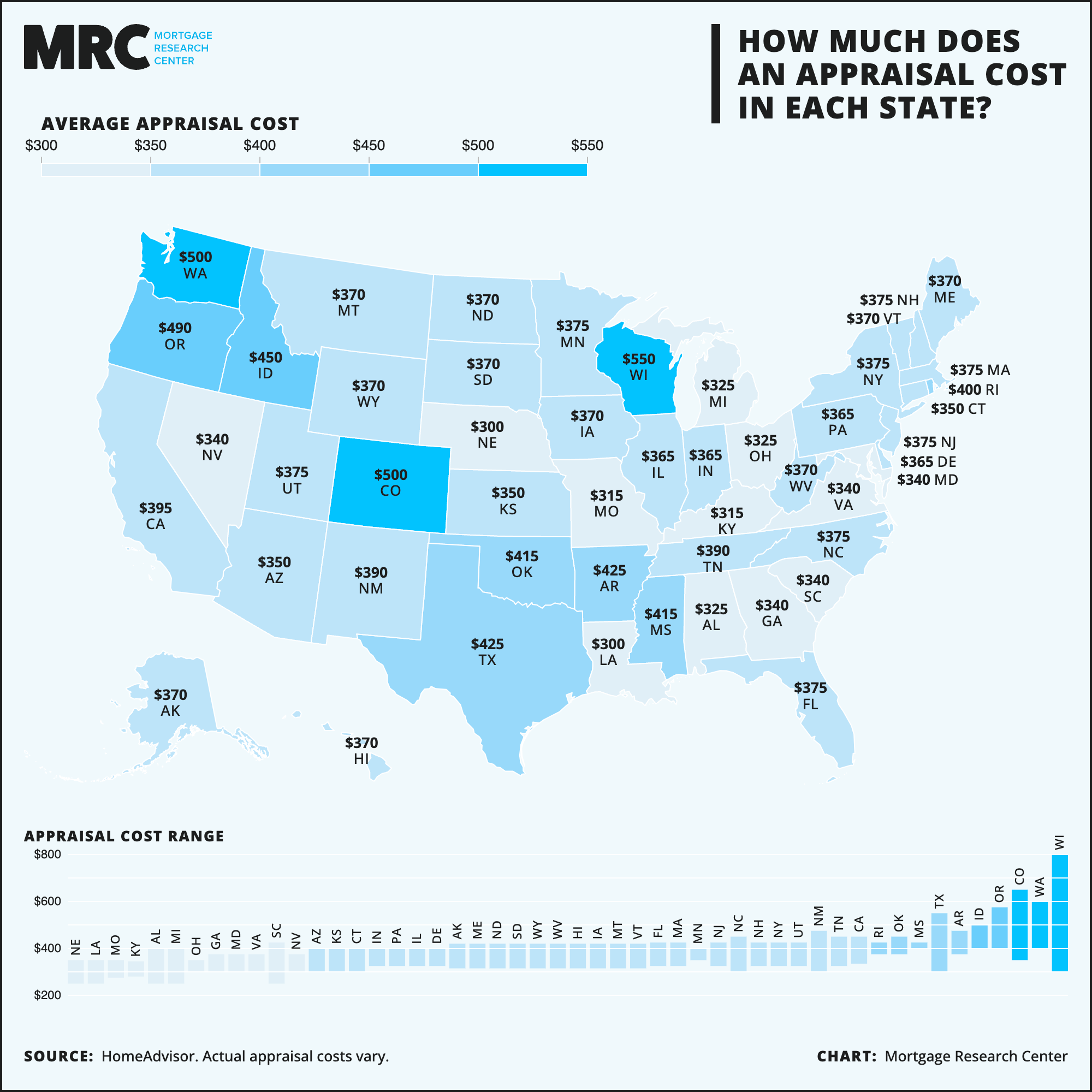
Do AMCs Really Help Prevent Fraud in Home Lending?
I think AMCs do help prevent fraud by creating a set of standards for lenders to follow. In this sense, AMCs are kind of like the Kelley Blue Book of home appraisals.
If you’ve ever bought or sold a used car, you’ve probably heard of the Kelley Blue Book, which shows car values. KBB does this by collecting knowledge from the market and from experts. Without the KBB or other similar services, used car dealers might look for other ways to inflate car values and earn more money.
Are There Ever Problems With AMCs?
No system is perfect. I once worked on a loan in a rural area where multiple Realtors had complaints about one particular appraiser. This appraiser had publicly shared an intention to return home values that were a lot lower than market values. This appraiser, apparently, was trying to single-handedly lower real estate values in the area by tanking real estate deals.
Well, unbeknownst to me, this appraiser got assigned to my client’s loan. After the appraiser reached out to my client’s Realtor to schedule the appraisal, the Realtor got in touch with me, saying our client may as well move on to a different house. This deal wasn’t going to go through.
Ordinarily, that’s what would have happened. The appraisal would have come in too low. But since the Realtor had already filed complaints against this appraiser, we could cite a conflict of interest with the AMC and get a different appraiser assigned, one who would look at comps and come up with a fair market value.
This was an uncommon scenario, one that’s definitely an outlier for AMCs, which have overall provided good service for buyers and sellers.
What Are Some Other Issues With AMCs?
I haven’t had many other problems with AMCs. In fact, I can’t remember an AMC that didn’t forward the appraisal to me within an hour of receiving it from the appraiser. I can’t think of any time an AMC has delayed a closing.
As a loan officer, I’m not allowed to interact directly with the AMC. My processing team does that. They coordinate everything, which gets fully documented through a messaging system. There are no phone calls or undocumented communication.
If we have a problem with an appraisal, our processing team gets in touch with the AMC and addresses the issue. For example, I remember one appraisal for a home in Minnesota whose photographs showed green grass and leafy trees even though there was snow on the ground that month. We reached out to the AMC and got the appraiser to go take fresh pictures.
I’m not an appraiser, but I imagine it would be easier working through a single point of contact, provided by the AMC, compared to hearing from a dozen different lenders every week.

I can’t remember an AMC that didn’t forward the appraisal to me within an hour of receiving it from the appraiser. I can’t think of any time an AMC has delayed a closing.
Independent Appraisals From AMCs Help Homebuyers
An independent and fair appraiser helps homebuyers. Yes, an accurate appraisal might bring some bad news about a certain property. This can disappoint buyers in the moment.
But then, that honest appraisal can steer buyers toward homes, and home loans, that are worth the money they’re paying. It’s also good for the health of the overall housing market, which affects everybody.
When you’re talking about an investment as important as a home, ensuring a fair and independent appraisal is worth the extra step.