


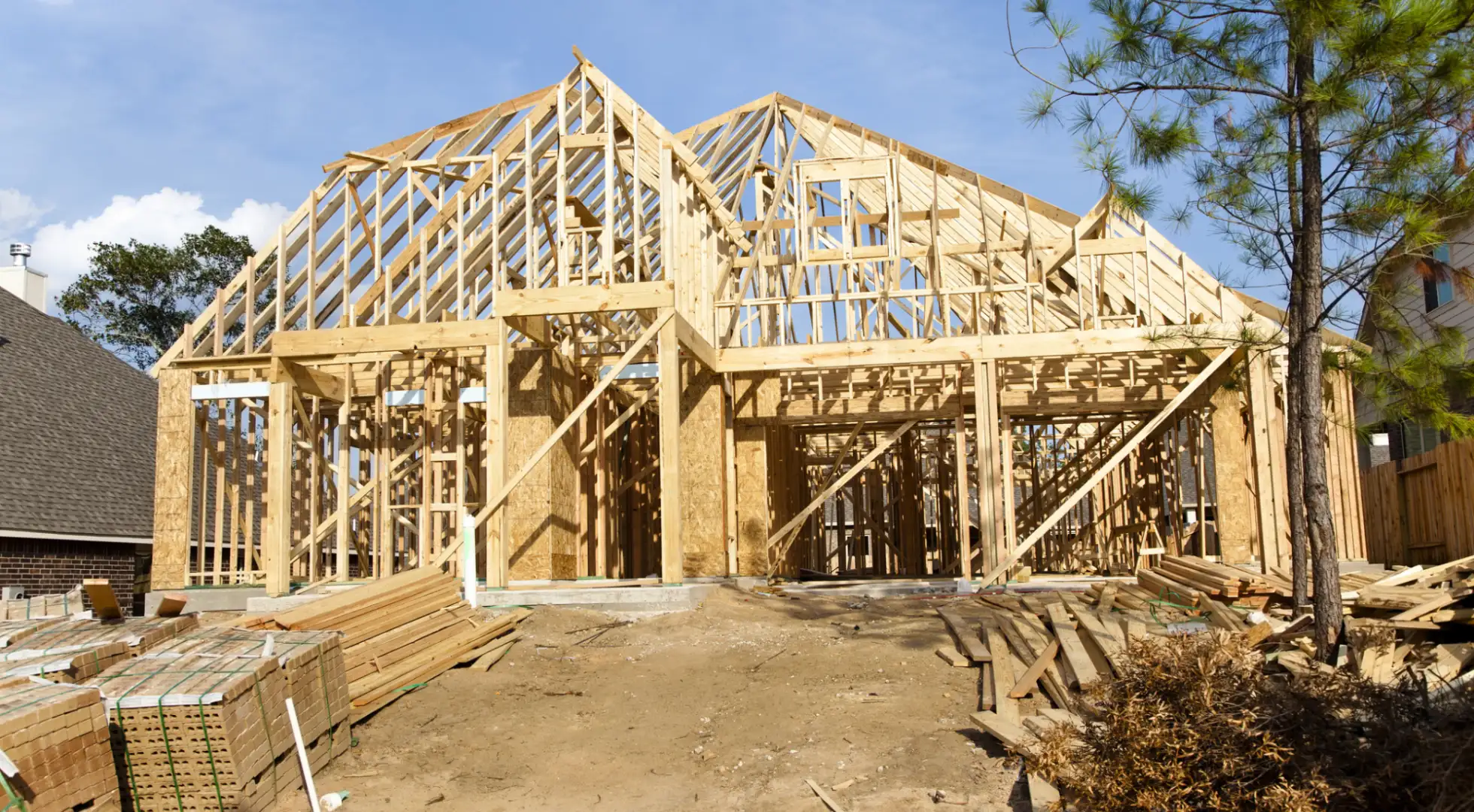
New Homes Can Save Buyers $25,335 Over 10 Years
Buying a new home can save purchasers around $25,000 over their first 10 years of ownership, according to a new report from Realtor.com. The savings stem from these homes requiring less maintenance in those early years, as well as their being more energy-efficient.
That energy-efficiency component means that savings aren't spread evenly across the country. "Savings vary widely from state to state, with New England leading the way in terms of the cost-saving advantage of new construction, due in part to heavy energy usage in this region," says Realtor.com. "Southern states, where new construction is more prevalent and more competitively priced, see less of a cost advantage in ongoing utilities and maintenance savings despite the home price savings upfront."
For those worried about the ongoing costs of homeownership, those savings could make a big difference. A different Realtor.com study finds a growing backlog in essential maintenance for existing homes.
"As homes age, maintenance becomes more essential to keeping homes habitable and less about chasing trends," says that second study's report. "That shift is already visible — nearly 49 million U.S. households reported at least one needed repair in the latest American Housing Survey, and the Philadelphia Federal Reserve Bank estimates the current repair backlog for occupied homes at $198.4 billion."
Servicemembers and Veterans Miss Out on VA Loans' Amazing Benefits
Those eligible for VA loans aren't taking advantage of these mortgages' remarkable benefits, and close to half don't fully recognize those advantages, says a new study.
"Fewer than half (48%) of eligible service members consider a VA loan. Awareness of key benefits is also limited: only 54% know VA loans require no down payment, and just four in 10 (39%) realize they don't require private mortgage insurance (PMI), despite median savings of $10,600 in 2025 compared with a similar conventional loan with PMI," says the report.
"With zero down payment, no monthly mortgage insurance requirements and flexible credit standards, VA loans address some of the most challenging financial hurdles active and retired military home buyers face," said Eileen Tu, vice president of product development at Rocket Mortgage, which conducted the survey, in a news release.
"That combination can significantly reduce both upfront costs and monthly payments by thousands of dollars, making homeownership more achievable for millions of Americans," continued Tu. "In 2025, 70% of VA purchase loans were made with no down payment."
The report also looked at why veterans choose to live where they do. At this time of heightened affordability issues, it's no surprise that costs play a big part in those decisions.
Twenty-four percent of veteran respondents said they chose an area because it had great access to healthcare. And 23% cited wanting a low cost of living.
Servicemembers seem to like living where they are, with 61% planning to settle down close to their current base on discharge.
"Risky" Unconventional Mortgages Growing More Popular
When The Wall Street Journal ran a story about unconventional mortgages on May 19, it referred to them as "risky." That shouldn't be a surprise.
The financial crash in 2007-08 was largely triggered by dodgy unconventional mortgages. And they all but died out in the years following that event.
However, they're now making a comeback. Nearly 6% of all home loans originated in 2025 were unconventional ones, a doubling in just three years, says The Journal, citing data from trade magazine Inside Mortgage Finance.
"A nonconforming loan doesn’t comply with every one of the strict standards put in place after the housing crisis," according to The Journal. The loans generally carry a higher interest rate for the borrower, but they offer an opportunity for home buyers who might not otherwise qualify for traditional loans because they are self-employed or hold their wealth in assets such as real estate. Investors buying homes to rent out are also big customers of these loans."
If unconventional loans are risky for both lenders and borrowers, why the sudden revival? It's because the mortgage market has been fairly stagnant in recent years, owing to rising home loan rates and home prices.
So, lenders, eager to drum up business, are becoming more creative, including being more open to unconventional products. Presumably, their risk-management teams have provided some reassuring data.
However, the risks are real, according to The Journal: "The government won’t guarantee nonconforming loans like they do with traditional mortgages. That means lenders have to either keep the mortgage in their own portfolios, putting them at direct risk if the loan defaults, or sell to the private market, which can be volatile."
Sure enough, delinquency rates on unconventional mortgages are already rising more quickly than on conventional loans, Fitch Ratings told The Journal.
Still, with only 6% of new mortgages being unconventional last year, we're unlikely to see a repeat of the 2007-08 meltdown — not yet, at least.