


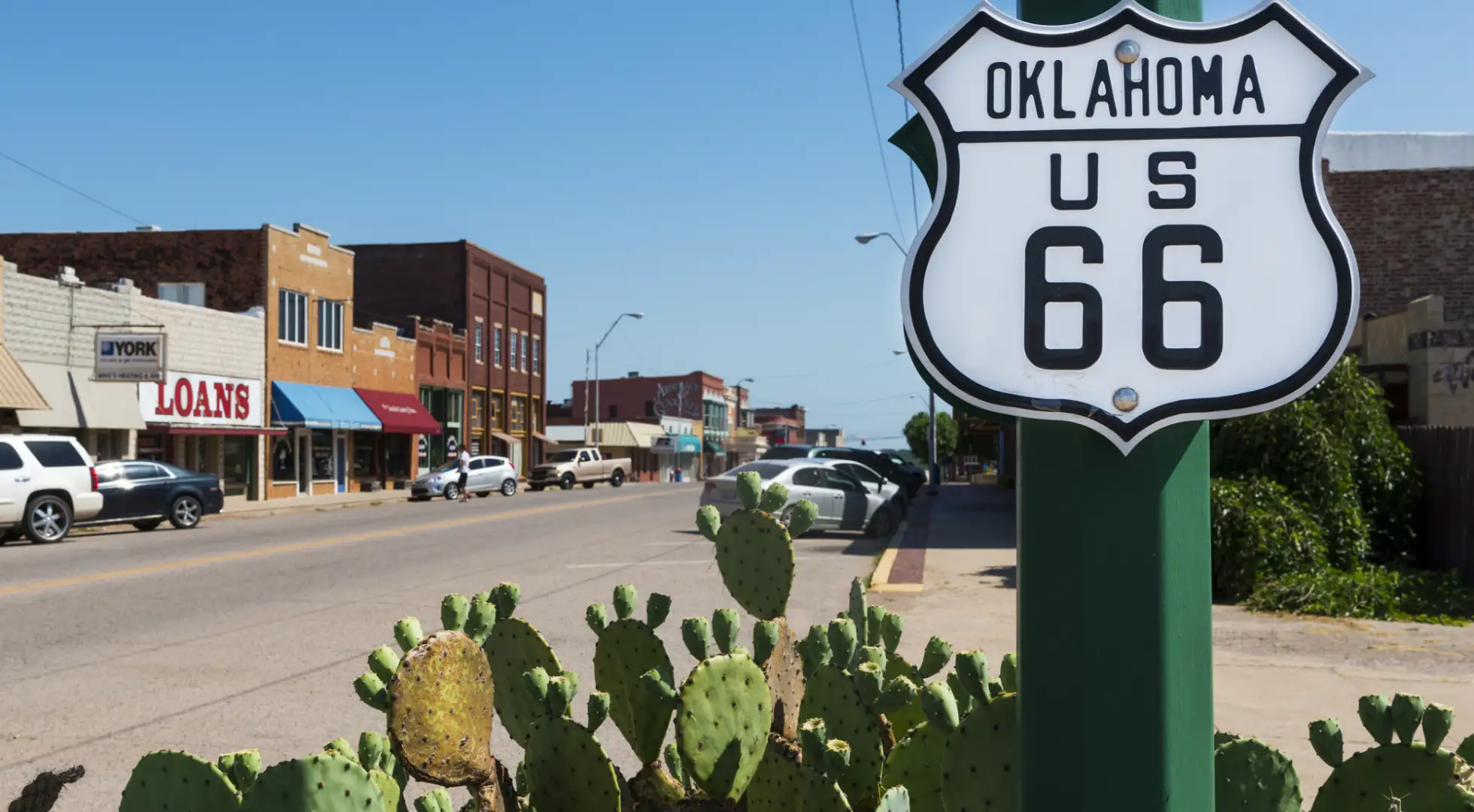
Oklahoma’s housing market offers a mix of opportunity and affordability, with steady growth in both urban centers like Oklahoma City and Tulsa and in smaller rural communities across the state. While home prices remain relatively reasonable compared to many parts of the country, the upfront costs of buying a home can still be challenging for many buyers.
To help make homeownership more attainable, Oklahoma provides a range of down payment assistance (DPA) programs. These initiatives are designed to reduce initial expenses and support homebuyers on their path to purchasing a home.
While this guide doesn’t include every available option, we’ve highlighted some of the most active and accessible DPA programs in the state. We’ll continue to update this page as new opportunities and details become available.
Understanding AMI Requirements
Area Median Income, commonly shortened to AMI, is a measure of the typical household income in a particular geographic area. Down payment assistance programs often compare an applicant’s income with the local AMI when determining eligibility. A program might limit assistance to households earning 80%, 100%, or another specified percentage of AMI.
Example: Suppose a DPA program is available to buyers earning 100% or less of AMI. If the AMI for the area is $92,000 per year and your household earns $86,000, you may satisfy the program’s income requirement.
You can look up AMI for your area with Fannie Mae’s AMI Lookup Tool.
>>>DISCOVER: 10 Most Affordable Housing Markets in Oklahoma
Statewide Down Payment Assistance Programs
Oklahoma offers several DPA programs that are available statewide, helping buyers across urban and rural areas. Here are the top programs worth exploring:
Oklahoma Housing Finance Agency (OHFA) Gold Program
The OHFA Gold Program is a tax-exempt mortgage revenue bond program that pairs eligible first mortgages with down payment and closing cost assistance equal to 3.5% of the total loan amount. The assistance is a 0% deferred second mortgage with no monthly payments. It must be repaid when the first mortgage matures or if the buyer sells, refinances, transfers the property, or stops using it as a primary residence.
Eligibility: Buyers must not have owned a home in the last 3 years unless purchasing in a targeted area, must meet income and purchase price limits based on location, and must use the home as their primary residence.
OHFA Dream Program
The OHFA Dream Program offers 3.5% of the total loan amount through a 0% deferred second mortgage with no monthly payments to help with down payment and closing costs. The second mortgage must be repaid when the first mortgage matures or if the buyer sells, refinances, transfers the property, or stops using it as a primary residence. The program works with FHA, VA, USDA, and conventional loans. Teachers, law enforcement, firefighters, emergency medical technicians, and state employees may qualify for a special interest rate.
Eligibility: First-time homebuyer status is not required. Buyers must intend to occupy the home as their primary residence. Dream Government has a maximum household income of $150,000 and a maximum purchase price of $356,362. Dream Freddie Conventional has county-based income limits and a maximum purchase price of $453,100.
REI Home100 Program
The REI Home100 Program provides up to 5% of the first mortgage amount in assistance. Depending on the loan option, assistance may be provided as a true gift or as a gift combined with a repayable second mortgage. The hybrid FHA and HUD Section 184 option combines a 2.5% gift with a 2.5% fully amortizing second mortgage at 5% over 10 years.
Eligibility: First-time homebuyer status is not universally required. Income, credit, loan type, and borrower contribution requirements vary by option, and buyers must work with an approved lender.
FHLBank Topeka TurnKey Programs
The FHLBank Topeka TurnKey programs provide grants for down payment, closing costs, and purchase-related repairs through participating financial institutions. The Homeownership Set-aside Program provides $2,500 to $15,000, while HSP+ provides $2,500 to $25,000 in designated high-cost or difficult development areas. HOPE provides at least $2,500, with the maximum determined by the participating member and the household’s need. Each option has a five-year owner-occupancy requirement.
Eligibility: HSP and HSP+ are for first-time buyers earning no more than 80% of AMI and require homebuyer education. HOPE is not limited to first-time buyers and allows household income up to 115% of AMI. Buyers must apply through a participating FHLBank Topeka member.
WEOKIE HomePath Program
The WEOKIE HomePath Program provides up to $7,500 toward down payment and closing costs and may offer 100% financing. The financing combines a 30-year WEOKIE first mortgage for 80% of the purchase price with a 15-year Neighborhood Housing Services second mortgage for the remaining 20%, along with grant-funded assistance for eligible borrowers.
Eligibility: Buyers must be first-time homeowners or have not owned a home in the last 3 years, have a minimum credit score of 620, earn no more than 120% of AMI, purchase an eligible Oklahoma home for $250,000 or less, qualify for WEOKIE membership, and complete homebuyer education and counseling.
Down Payment Assistance Programs by County
Several counties in Oklahoma offer targeted support to help local residents become homeowners. Here are some of the most impactful county-level programs:
Tulsa County First Home Program
The Tulsa County First Home Program provides assistance equal to 3.5% of the total loan amount through a 0% second mortgage that is forgiven after five years, providing the program's conditions have been met.
Eligibility: Buyers and their spouses must be first-time homeowners, purchase within Tulsa County, meet current income and purchase price limits, and use an eligible FHA, VA, or USDA loan. The current offering requires a minimum credit score of 620.
Cleveland County First Home Program
The Cleveland County First Home Program helps buyers by offering a grant equal to 3.5% of the total loan amount.
Eligibility: Buyers and their spouses must be first-time homeowners, buy within Cleveland County, meet current income and purchase price limits, and use an eligible FHA, VA, or USDA loan. A credit score of at least 620 is also required for the current offering.
CAA of OKC - County Program
The CAA Program serves buyers in Oklahoma and Canadian Counties through a forgivable second mortgage of up to $18,999 with no monthly payments. The assistance is forgiven after the buyer occupies the home as a primary residence for five years. Selling, subleasing, refinancing, or transferring the property sooner can require full or prorated repayment.
Eligibility: Buyers must meet current income limits, qualify as first-time buyers, and purchase in an eligible area served by the Oklahoma and Canadian Counties program. The current income limit for a family of four is $78,150.
Tribal Down Payment Assistance Programs
Oklahoma is home to numerous Native American tribes, many of which offer generous homebuyer assistance to their citizens.
Cherokee Nation Mortgage Assistance Program
The Cherokee Nation Mortgage Assistance Program provides up to $25,000 in down payment and closing cost assistance through a soft second mortgage for first-time homebuyers purchasing within the Cherokee Nation Reservation. A prorated repayment is required if the home stops being used as the buyer’s primary residence.
Eligibility: Buyers must be members of a federally recognized tribe, with priority given to Cherokee citizens, have incomes below $85,450 for a family of four in 2026, and complete homebuyer education.
Chickasaw Nation Down Payment Grant
The Chickasaw Nation offers a one-time grant of up to $5,000 for down payment or closing costs, with no repayment required.
Eligibility: Buyers must be enrolled Chickasaw citizens purchasing a primary residence and submit a completed application prior to closing.
Choctaw Nation Down Payment Assistance
The Choctaw Nation provides a second mortgage loan to help cover down payment and closing costs, with a term of up to five years. Assistance amounts and other requirements vary according to the first mortgage program and participating lender.
Eligibility: Buyers must be Choctaw Nation tribal members, meet credit guidelines, and work with an approved first mortgage lender.
Fort Sill Apache Down Payment and Closing Cost Program
The Fort Sill Apache Down Payment and Closing Cost Program provides a one-time gift of up to $10,000 toward the purchase of a primary residence. The home must remain the buyer’s primary residence for three years. The program is available nationwide and does not have an income limit.
Eligibility: Applicants must be Fort Sill Apache tribal members age 18 or older, purchase an eligible single-family primary residence, and close through an approved title company, attorney, bank, financial institution, or the Fort Sill Apache Housing Authority.
Down Payment Assistance Programs by City
Many Oklahoma cities offer their own tailored programs to help residents with down payment costs. Here are some of the best city-based programs:
Oklahoma City Homebuyer Assistance Program
Oklahoma City’s Homebuyer Assistance Program provides up to $18,000 in down payment and closing cost support, with an additional $5,000 to buy down the interest rate if needed to make payments more affordable. The assistance is secured by a deferred second mortgage and is progressively forgiven over 10 years.
Eligibility: Buyers must earn less than $78,150 for a family of four, purchase an existing home for no more than $219,000 or a newly constructed home for no more than $288,000 within an approved area of the city, contribute at least 1% of the purchase price, maintain two months of PITI reserves, and complete homebuyer education and counseling.
Norman Down Payment Assistance
The City of Norman’s Program provides up to $14,999 for buyers purchasing in the Old Silk Stocking, Original Townsite, or First Courthouse neighborhoods. The assistance is secured by a deferred note and mortgage, and a portion is forgiven for each month the buyer occupies the property as a primary residence during the five-year requirement.
Eligibility: Buyers must meet HUD income limits, purchase within one of the three eligible neighborhoods, and use the home as their primary residence for five years to receive full forgiveness.
Midwest City Homebuyer Assistance Program
The Midwest City Homebuyer Assistance Program gives first-time buyers in Midwest City up to $7,500 in assistance, forgivable after five years.
Eligibility: Buyers must not have owned a home in the last 3 years, earn 80% or less of AMI, complete homebuyer education and counseling, and contribute at least $1,000 or 1.5% of the sales price, whichever is greater.
Stillwater Homebuyers Assistance Program
Stillwater’s Program offers up to $5,000 in assistance through a forgivable loan secured by a deed restriction or second mortgage. The assistance is forgiven after seven years if the buyer continues to use the home as a primary residence and meets the program’s requirements.
Eligibility: Buyers must either be first-time homeowners purchasing within Stillwater or meet HUD low/moderate income limits under 80% of AMI.
Additional Down Payment Assistance Programs in Oklahoma
Here are other programs not mentioned above that may still be helpful, depending on your situation.
Statewide Programs
- Chenoa Fund (Nationwide program available in Oklahoma).
County Programs
Tribal Programs
City Programs
Final Thoughts
All across the state of Oklahoma, there is a wide variety of down payment assistance programs tailored to different types of homebuyers, from first-timers to veterans and tribal members. These down payment assistance options can help reduce upfront costs and provide more breathing room in your budget. Be sure to stay up to date with current mortgage rates, and use our loan calculators to get a better understanding of your home buying position. With the right planning, one of these assistance programs could make your dream of homeownership a reality.
Check with the organization directly for the most recent guidelines. While programs were fact-checked at the time of writing, requirements change often, and programs become unavailable when funds are exhausted.