


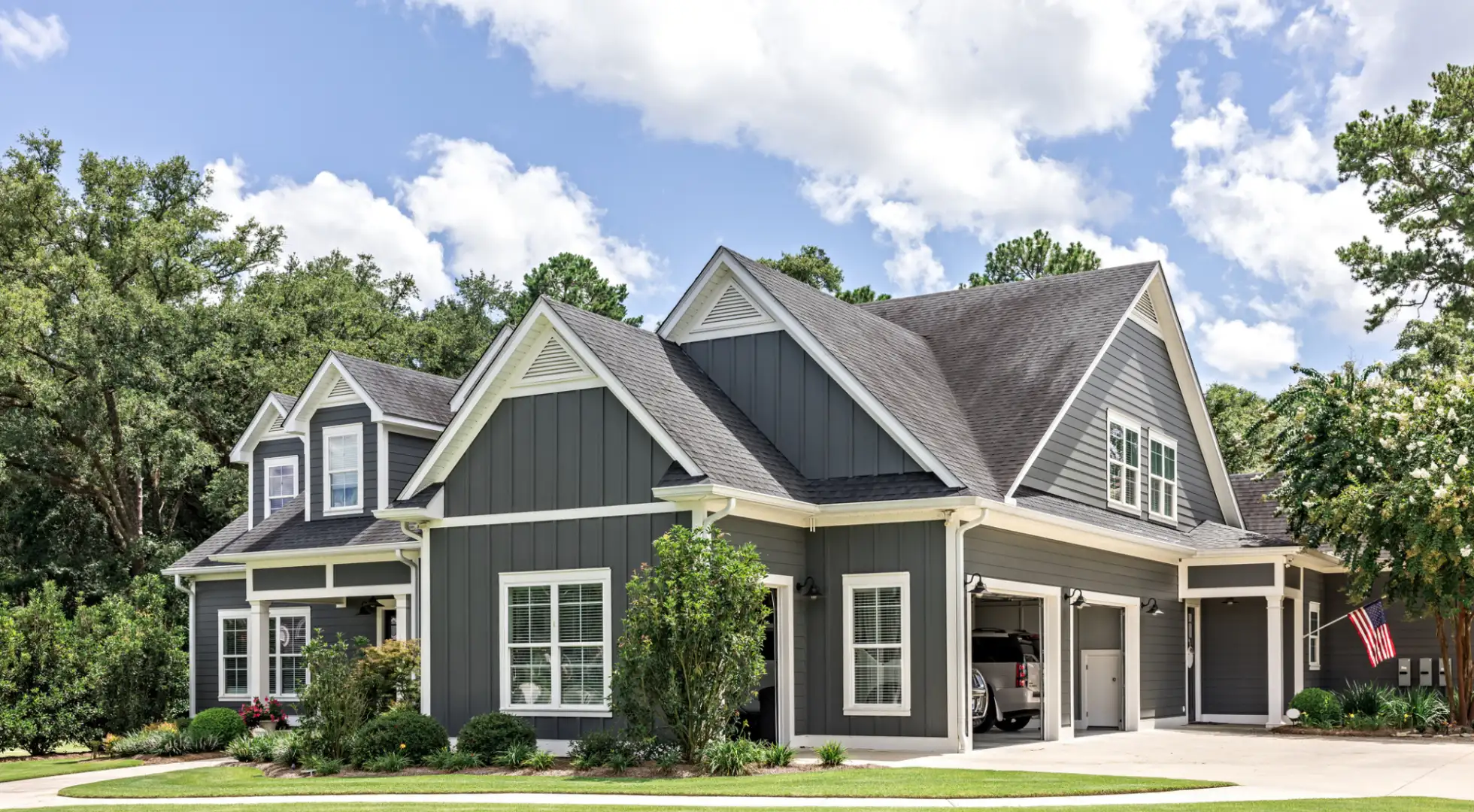
A new study by Zillow, published Tuesday, finds that new homes cost less than existing ones on average, both nationwide and in one-third of major metros. This is great news for cash-strapped (especially first-time) home buyers, who often struggle to afford essential repairs and maintenance on older homes.
"New homes sold for a median of $205 per square foot in July, below the $212 median for existing homes," said Zillow. "This is a reversal from recent years, when new homes sold for more per square foot than existing homes in 77 of 84 months from 2018 to 2024. The price per square foot premium for new homes peaked at $25 in November 2022."
Still, this isn't entirely new. Last year, we published "New Homes Now Cost Less Than Existing Ones. Are They a Better Value? So, this is a continuation of that story.
Why New Homes Are Sometimes So Affordable
Where to Find New Home Bargains
Every local housing market is different. So, bargains on new homes aren't universal across the United States.
For example, in New York, NY, the price per square foot of a new home is $727, while that for an existing one is $441, according to Zillow's analysis. So, the chances of finding a bargain there are likely close to zero. Other metros where buyers must pay a steep premium per square foot for a new home are Cleveland, OH (50.7% premium over existing homes), Milwaukee, WI (46%), and Detroit, MI (44.5%).
Most of the bargains are to be found in the Sun Belt, where developers often built too many new homes in response to the changing needs of home buyers during the pandemic. The metros with the biggest discounts per square foot compared with existing homes' prices are Austin, TX (19.3%), Raleigh, NC (14.4%), and Tampa, FL (12.4%).
Why Cash-Strapped Buyers Might Prefer New Homes
In June, we published Expect the Unexpected: Homes Need (Often Costly) Repairs and Maintenance. "Younger homebuyers were especially unrealistic in estimating the costs of repairing and maintaining their homes," we wrote, citing data from Jobber's Recent Homebuyer Reality Check. "Around two-in-three Gen Z-ers and Millennials found that homeownership had been more stressful than they expected. Roughly half as many Baby Boomers had similar experiences."
The fact is, America's housing stock is growing old. The median age of owner-occupied homes was 42 years old in 2024, up from 31 years in 2005, according to the National Association of Home Builders. And nearly half of all homes were built before 1980.
Many home buyers rather like older homes, which are often bigger and have more character and better-established yards than new ones. But the older a home is, the more costly it's likely to be to maintain and repair. And that can cause problems for first-time homebuyers, who tend to stretch themselves financially to get onto the homeownership ladder.
True, Jobber found that 93% of respondents were glad they bought, despite the stress. But how much happier might they have been had they bought a new home requiring fewer immediate repairs during those tough early years?
"New homes are the overlooked opportunity more buyers should be thinking about. Buyers who assume new homes are out of their price range may be surprised at what they find," said Kara Ng, senior economist at Zillow, and a recent guest on the Mortgage Research Network Podcast, in a news release on Tuesday.
"Where the most new homes have been built, buyers are in the best position to negotiate as sellers have a lot of other homes on the market to compete with. We often preach letting America build its way out of the affordability crisis, and these friendlier conditions are the payoff."

