

"The stakes of buying into a homeowners association [HOA] are rising, with aging buildings and soaring insurance costs threatening to strain community finances," The Wall Street Journal said at the end of last month. The Journal then went on to suggest four ways to manage the considerable financial risks of buying a home within an HOA, which we'll share with you here.
Of course, most HOAs are run well. But some may have been badly managed for extended periods or even been the victims of embezzlement. As a result, these associations could stumble when faced with a huge repair bill or other expense.
In these situations, the members must come up with the shortfall, or the association might go bankrupt with potentially dire consequences for affected homeowners. More than 70 million Americans live in homes governed by HOAs in 2026, according to the Foundation for Community Association Research.
HOAs Stuck in a Vise
And big repair bills are becoming more common as the housing stock in the United States ages. "The median age of owner-occupied homes climbed to 42 years old in 2024, up from 31 in 2005," says the National Association of Home Builders (NAHB).
"The share of relatively newer owner-occupied homes (those built within the past 14 years) has declined greatly, from 18% in 2014 to only 13% in 2024," the NAHB continues. "Meanwhile, the share of older homes that are at least 45 years old has increased significantly, rising from 39% in 2014 to 47% in 2024."
Yes, homes that are centuries old are commonplace across much of Europe. But Europeans use different construction materials and techniques from us. A stick-built (timber-frame) home can't hope to compete for longevity with one constructed using solid stone blocks, bricks, or concrete masonry units.
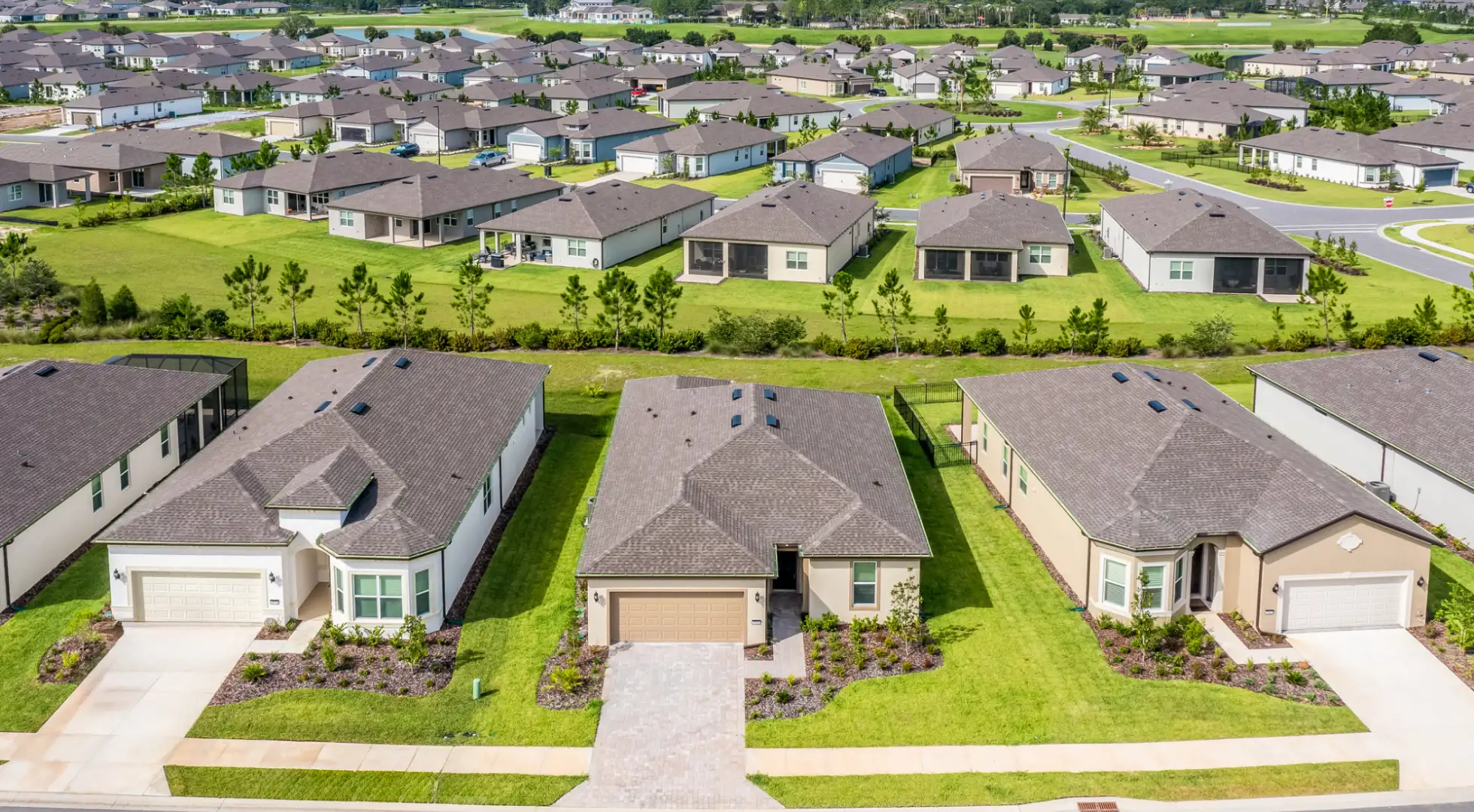
Naturally, homeowners associations aren't typically responsible for individual homes, except in regards to condo buildings. But there are often community buildings, pathways, pools and their decks, clubhouses, parking lots or spaces, and sometimes roads and garage blocks that the association must maintain. And those, too, typically get more expensive to repair as they get older.
Meanwhile, some residents are falling behind on their HOA dues as they grapple with the cost-of-living crisis. "HOA foreclosures spiked nearly 40% in two years to 6,376 properties in the first quarter, according to real estate analytics firm Attom, putting its pace ahead of overall mortgage foreclosure rates," reported The New York Post last month.
So, some HOAs are being squeezed by a vise, with higher costs on one side and falling revenues on the other. This isn't the case for every HOA, but homebuyers would be wise to avoid ones that are seriously struggling. Otherwise, it will be they who are on the hook when the big bills inevitably roll in.
So, let's look at The Journal's four ways to identify risky HOAs.
1. Planned Projects
Unless state laws or the HOA's own rules provide for it, there is often no obligation for an association to share its schedule of planned improvements. But one can include a contingency in one's purchase offer that requires the seller to obtain such documents and share them.
Prospective buyers should inspect and act with urgency once the papers arrive. A sensible contingency will expire a reasonable period after the documents are delivered.
The planned improvements mean little financially in isolation, although they may give one a heads-up about future disruption. For example, a pool renovation might mean months without access.
To understand the financial implications, one needs to know how much is in the HOA's reserves.
2. Statement of Reserves
The HOA's financial strength or weakness is best understood by the community’s reserve study. Potential buyers should be allowed access to this, but make sure the document is dated within the previous three years.
"In the report, look for the 'Percent Funded' level," says The Journal. "It shows how prepared the HOA’s reserve is for major repairs such as a roof replacement. A level above 70% indicates strength, while anything below 30% increases the likelihood that special assessments [one-time bills] will be needed to deal with surprise costs, said Jim Talaga, president of Association Reserves—Washington, a firm that evaluates HOAs' financial health."
Check the study's recommended reserve funding levels against the amount being budgeted for reserves each year, suggests the Journal. Is the HOA delaying current repair costs, switching their burden onto the shoulders of future owners?
3. Insurance Claims
There's nothing wrong with an HOA making insurance claims. But a lot of them can be a red flag, especially in a condo.
For example, a high number of claims for water damage might indicate a plumbing problem that isn't being addressed. Harassment claims and disputes over construction may also be worrying.
Don't expect a comprehensive and detailed list of claims. But question the seller or the HOA board about important ones, and ask about how premiums have moved over the last 60 months. Inquire about pending lawsuits, too.
When buying a single-family home, ask the owners to get a report for the home from the Comprehensive Loss Underwriting Exchange (CLUE). That should list up to seven years' insurance claims for that particular house.
4. Get a Feel for the HOA
After viewing the home, stick around. Explore the area, chat with residents, and get a feel for how the HOA operates.
Is it effective and efficient? Do the public areas look cared for? Is the HOA easygoing or oppressive? Is it responsive to residents' needs?
If things look good, join a local social media group to get a better feel for the vibe. And perhaps call a board member for a chat.
The Importance of Understanding HOA Risk
HOA financial problems can ultimately fall back on homeowners through higher dues or special assessments, depending on state law and the association's governing documents.
True, HOAs can and do go bankrupt. But that creates its own issues. And homeowners still have to pay their dues. Nevertheless, the services the HOA has been delivering may be reduced or stop altogether.
"In most cases, unexpected major expenses, such as those resulting from infrastructure failures — mold remediation, foundation issues, or roof replacements — due to delayed maintenance or natural disasters may lead to bankruptcy," says Realtor.com. And, occasionally, repair bills are so high that even massive special assessments can't solve the problem.
While in bankruptcy, it can become nearly impossible to sell a home within the HOA. Sellers are obligated to disclose the fact.
Lenders typically won't touch an affected home, even if brave (or foolhardy) individuals are prepared to take the risk. That means the value of the home plummets until the HOA's problems are resolved.
Most homeowners are likely happy with their HOAs. Homebuyers need to be sure they will be, too. And that means picking a good, financially sound one.