


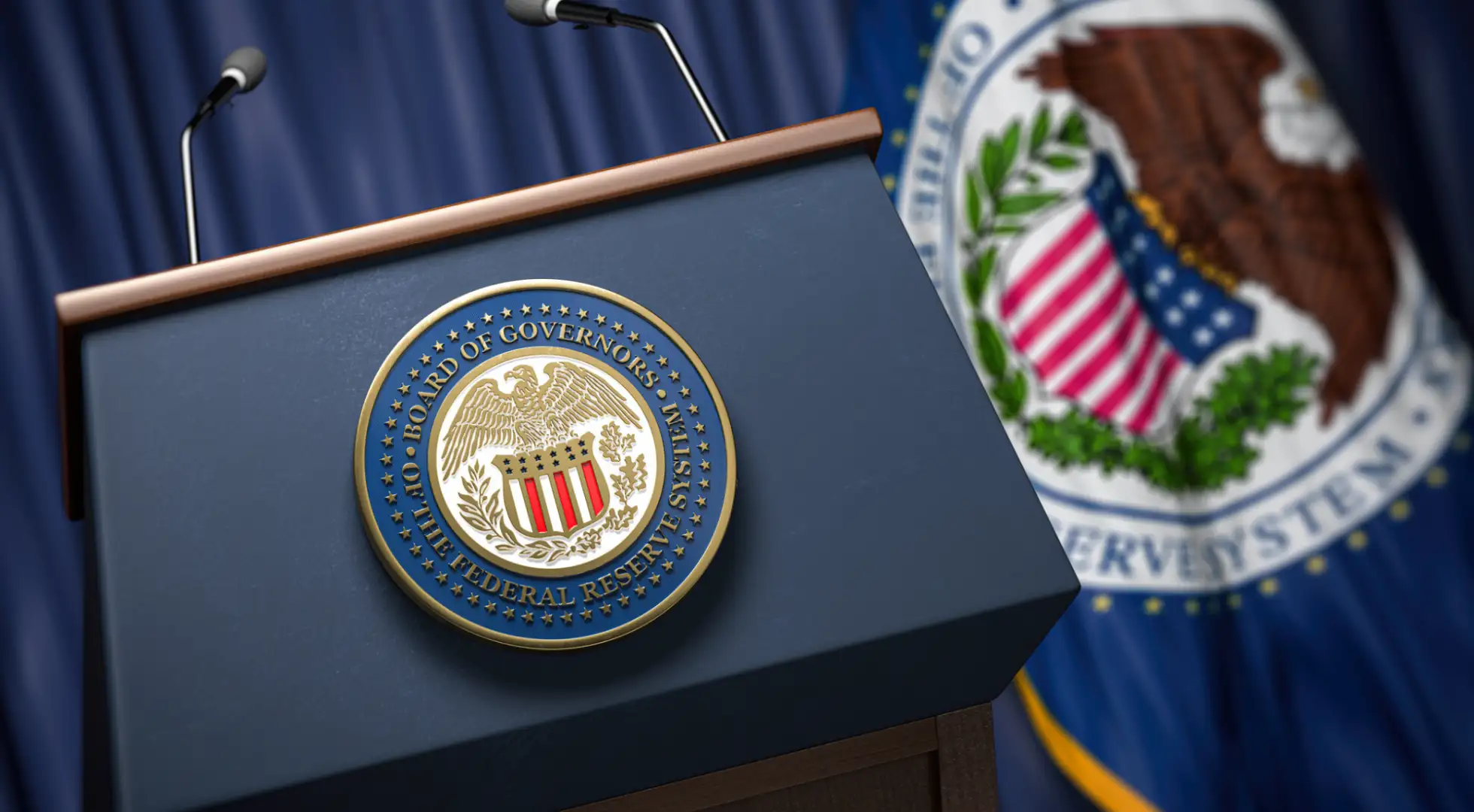
Jerome Powell is due to retire as chair of the Federal Reserve on May 15. President Donald J. Trump announced last Friday that he was nominating Kevin Warsh to replace Powell in that role.
The U.S. Senate must still confirm Warsh's appointment, and some are expecting a tough battle. But let's assume it does, and explore how new Fed Chair Kevin Warsh might influence mortgage rates.
Who Is the New Fed Chair?
What Does the New Fed Chair Plan to Do?
"More recently, Mr. Warsh has publicly backed the need for interest rate cuts, which President Trump has demanded," says The New York Times. "Mr. Warsh has argued that Mr. Trump’s tariffs will not lead to persistently higher inflation.
"He has argued that his current support for lower rates is consistent with his earlier stance," continues The Times. "He wants the Fed to reduce its holdings of bonds — currently worth more than $6 trillion — which he says would allow it to cut rates without causing inflation to rise. But few mainstream economists endorse that view."
Warsh put this argument in his own words when he wrote an opinion piece for The Wall Street Journal back in November: "The Fed’s bloated balance sheet, designed to support the biggest firms in a bygone crisis era, can be reduced significantly. That largesse can be redeployed in the form of lower interest rates to support households and small and medium-size businesses."
Quantitative Tightening and Mortgage Rates
The Fed currently owns more than $2 trillion in mortgage-backed securities. Selling significant quantities of those would increase their supply into the market, which should lower their prices. The problem is that bond yields move inversely to bond prices, so the extra MBSs are highly likely to drive mortgage rates higher, even if the Fed cuts general interest rates.
"As part of the philosophy, Warsh has suggested he believes the Fed should sell off its $2 trillion hoard of mortgage-backed securities (MBS)," notes Realtor.com. "However, there are reasons to believe that move would push mortgage rates higher, at least for a time."
Meanwhile, MarketWatch fears extreme volatility. "There’s currently some concern on Wall Street that any effort by Warsh to push for a much smaller Fed balance sheet could lead to a repeat of the volatility seen in September 2019, when rates within overnight funding markets unexpectedly spiked after the central bank reduced its balance sheet to roughly $3.8 trillion."
Some think Warsh recognizes this and will learn to live with the Fed's current holdings of MBSs, or at least reduce its stockpile very slowly. "The incoming Fed chair is
‘smart enough to know that a funding-market dislocation in his first
months would be the worst possible headline for a new era,’ says one portfolio manager," according to MarketWatch.
The New Fed Chair Won't Rule Alone
Every Fed chair is powerful and influential. But none of them is a king or queen. The Fed is managed by seven board members, of whom the chair is just one voice with one vote.
It's even more difficult for a chair to act unilaterally to change monetary policy, which includes rate setting and selling or buying Treasury bonds and MBSs. Those decisions must be taken by another body: "The Federal Open Market Committee (FOMC) consists of twelve members — the seven members of the Board of Governors of the Federal Reserve System; the president of the Federal Reserve Bank of New York; and four of the remaining eleven Reserve Bank presidents, who serve one-year terms on a rotating basis," says the Fed.
Successful Fed chairs are great at consensus building, something Warsh's friends and colleagues say he's good at. But everyone on the FOMC is a distinguished expert whose opinions are unlikely to be swayed by a charm offensive.
Warsh is likely to make a difference to Fed policy. But it may be a smaller one than many — including the president — hope.