


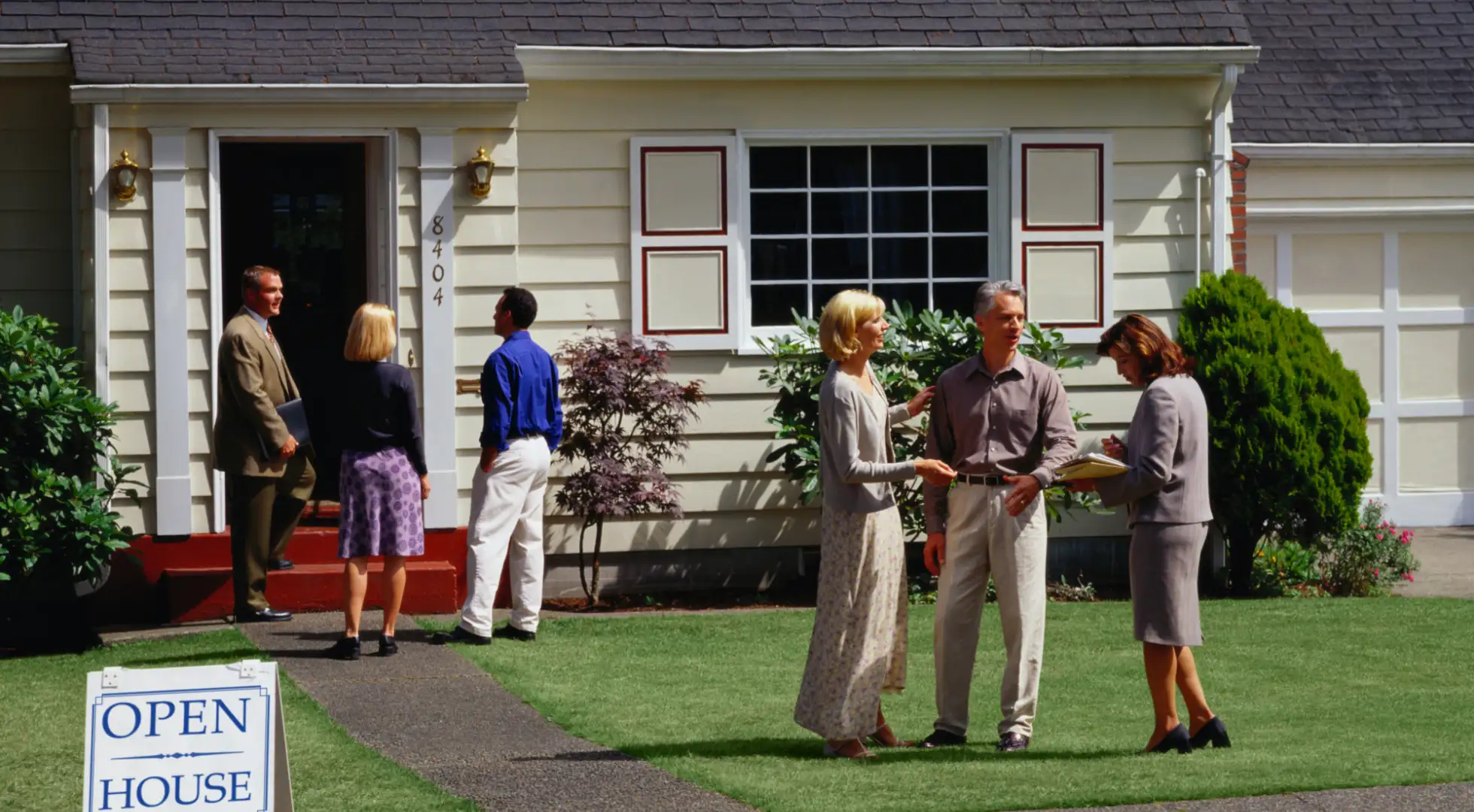
A study showed that a 1% drop in mortgage rates could unleash 5.5 million buyers into the market. Rates have dropped 0.75% since the study.
"According to National Association of Realtors® research, a 1% decrease in rates could add about 5.5 million households, including 1.6 million renters, to the pool of potential buyers," said a press release from the NAR on Dec. 11. The good news is that rates are nearly at these levels now.
The 5.5 million number was part of research carried out at the start of the year, when the 30-year mortgage rate was around 7%. Since then, that average has fallen to 6.25%, according to ICanBuy at the time of this writing.
So, mortgage rates need fall by only 0.25% (25 basis points) to unleash the full 5.5 million households into the housing market.
"Lower rates will bring more buyers back to the market," says Nadia Evangelou, senior economist and director of real estate research at NAR in the press release. Evangelou goes on to say that first-time buyers paying high rents may benefit the most. Additionally, homeowners who have been locked into a low mortage rate may be enticed to sell, increasing inventory.
How Likely Are Mortgage Rates to Fall Further?
Few experts expect mortgage rates to fall far soon. A recent Mortgage Research Network study showed that the concensus among five major housing agencies was for a 6.2% rate average in 2026.
But some say that a 6% rate on a 30-year fixed-rate mortgage (FRM) is quite likely.
Fannie Mae, for example, reckons that particular rate will average 6% through 2026, and 5.9% in 2027. Others are less optimistic, including the Mortgage Bankers Association, which expects that rate to end 2026 at 6.4%, according to the Mortgage Research Network report.
Still, as long as mortgage rates don't rise too much, millions of Americans are already being freed to enter the housing market. "In 2026, we expect higher inventory, modest improvements in affordability and more accommodating monetary policy from the Federal Reserve will help more Americans buy their next home," said Lawrence Yun, NAR’s chief economist, during the virtual Real Estate Forecast Summit: The Year Ahead on Dec. 10.
Indeed, at that event, the NAR said it thought existing home sales would rise 14% next year, which would indeed transform housing markets.
Housing Market Recovery Reliant on Affordability
Lower mortgage rates play a crucial role in making housing more affordable. But home prices play a similarly critical role.
And, for housing affordability, there's good news about those prices, too. The median sales price of houses sold for the United States peaked at $442,600 in the fourth quarter of 2022, according to the Federal Reserve Bank of St. Louis, aka FRED. Since then, with some zigzagging, that median price has been on a downward trend, reaching $410,800 in the second quarter of 2025, the latest figure available.
So, this year, affordability has improved in terms of both mortgage rates and home prices.
On Jan. 15, 2025, the average rate for a 30-year FRM was 7.04%, according to Freddie Mac. And the median home sales price in the first quarter was $423,100, according to FRED.
Using our conventional mortgage calculator with those numbers and assuming a 10% down payment, the monthly mortgage payment at the start of the year would have been $2,544 (excluding property taxes and homeowners insurance).
Let's use the latest median home price and mortgage rates and rerun the same scenario. After a smaller down payment, the monthly mortgage payment would be $2,276. That's a $268 monthly saving, which most homeowners would find useful.
Nothing is Certain
Our favorite quote was penned by the late economist John Kenneth Galbraith. He wrote, "The only function of economic forecasting is to make astrology look respectable."
In reality, nobody can know for sure what will happen to mortgage rates and home prices. The AI bubble (if there is such a thing) could burst, sending the economy into a tailspin. Or a new global pandemic could land.
Either of those could send mortgage rates plummeting to new lows, perhaps close to 2%. Alternatively, the economy might boom, sending those rates higher.
Still, all we have to go on are the forecasts of expert economists using sophisticated models to predict likely scenarios. They have to be better than our own guesses.
And, if they turn out to be right, 2026 could be a good year for housing affordability. So, start making plans now.