


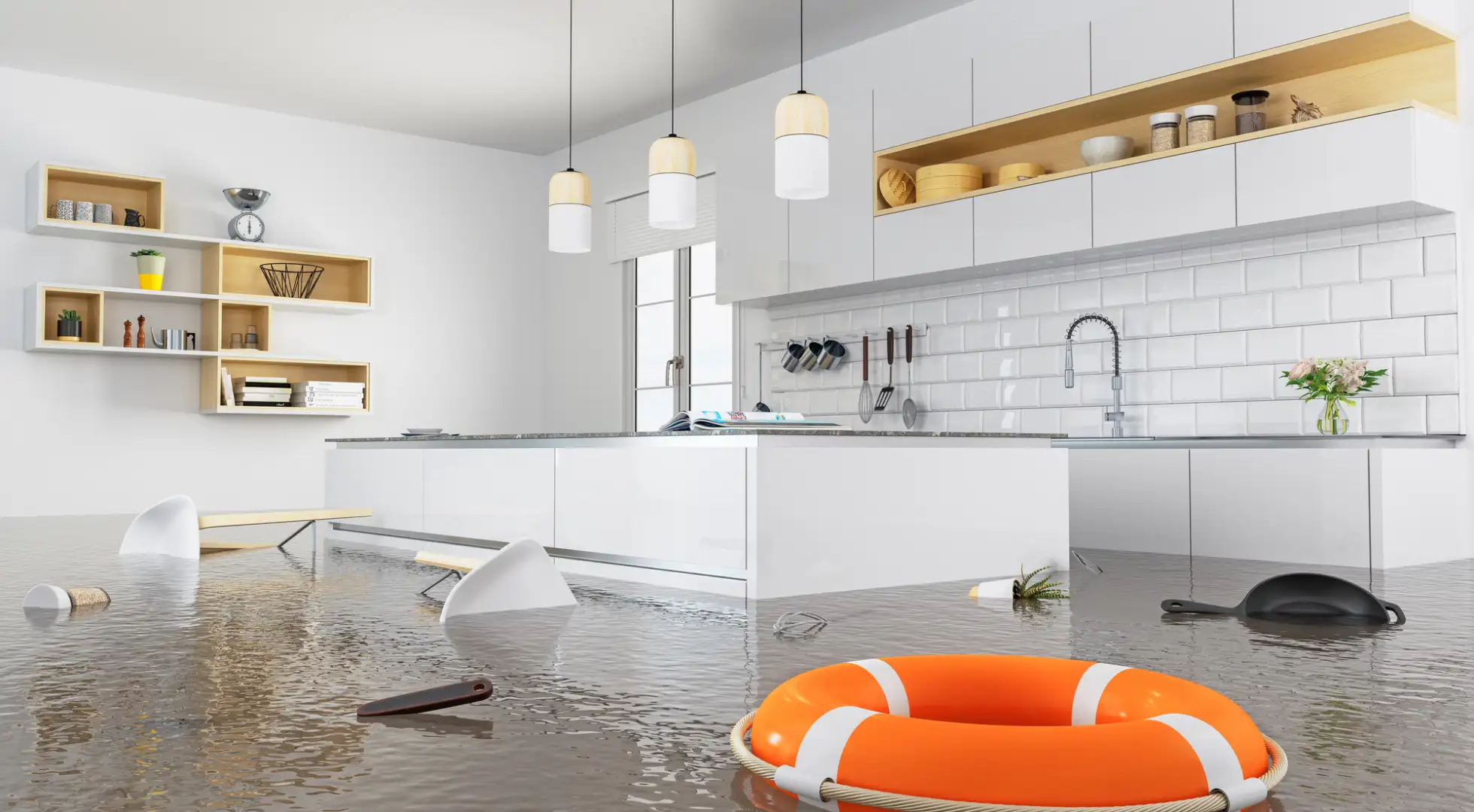
Some homeowners live in places where the risks of flooding, hurricanes, wildfires, tornadoes, and so on are slight to zero. But with June the official start of hurricane season, this seems a good time to remind the many who do face those risks that being prepared isn't just for scouts.
On Monday, we reported that Nearly Half of Homeowners Insurance Claims End With No Payout and suggested readers should check their policies for exclusions. Today is more about remaining safe during extreme weather events and recovering from them as quickly as possible.
Supplies You'll Want to Have
It's important, when possible, to follow directions from local authorities to evacuate. Whether you're escaping or staying in place, it's naturally good to be self-sufficient in food and water for several days. But some other things are less obvious.
Ready.gov has a full checklist for a Basic Disaster Supplies Kit, so click that link for a comprehensive rundown. But highlights include:
- A gallon a day per person of fresh water for drinking and keeping sanitary. Add more for any animals.
- Several days of non-perishable food, especially cans whose contents don't require cooking. Again, don't forget pet foods.
- A manual can opener!
- Paper plates and cups, paper towels, and plastic or wooden cutlery.
- A battery-powered or hand-cranked radio, along with an NOAA Weather Radio with tone.
- Flashlights.
- Plenty of spare batteries for all devices that rely on them.
- First-aid kit.
- Cellphone or smartphone with a backup battery, aka power pack or portable charger. (Consider investing in a solar charger, too.)
- Small and large garbage bags, plus plastic ties, for storing excretory waste, along with moist towelettes.
- Soap and hand sanitizer plus disinfectant wipes for surfaces.
- Sleeping bags or blankets, along with appropriate spare clothing.
Other items on Ready.gov's list include whistles to attract rescuers' attention, a wrench or pliers to turn off utilities, dust masks, and local maps. Remember, a disaster can temporarily disable local cell masts, just when people need their phones most.
Local stores may have trouble processing card transactions, so having more cash on hand than usual might be helpful.
This is less a go-bag and more a trunkful of essentials that need to be stored somewhere dry and ready to be grabbed in an emergency.
Other Essentials to Consider
Those who rely on prescription glasses or contact lenses may want to pack a spare pair in their emergency kit. And don't forget plenty of contact lens solutions.
Parents of babies will be used to the constant need for formula, diapers, creams, bottles, sterilizing solutions and so on. Have enough ready for several days.
Women may need feminine supplies and personal hygiene products. They may also prefer men who don't get too smelly.
It may not be strictly essential, but stuff to keep kids entertained if their screens aren't working is pretty close.
Recovering Quickly
A hurricane, flood, fire, or tornado can wipe out all the documents that are quietly essential to modern life. Those who are even a bit tech-savvy can digitize these and upload them to the cloud, allowing them to download them from anywhere later. Be sure to make the file password-protected.
Those who prefer a more traditional approach can put their key documents in watertight containers and add them to their supplies kit. Many might opt for a belt-and-suspenders solution.
Either way, having ID, insurance documents, receipts, and other essentials can speed up claim processing and, in turn, recovery.
Recovering Safely
On a more practical level, there are some dangerous actions to avoid:
- Don't turn the power back on while the home is still damp. There's a real risk of electrocution.
- Never run a portable generator inside a home or an attached garage, in a crawl space, or outside near windows. Its exhaust gases kill.
"Each year, hundreds of people die and thousands more get sick from carbon monoxide or 'CO' poisoning due to unsafe use of generators," says the Environmental Protection Agency (EPA).
The EPA also has advice on drinking water on returning to a recently flooded home:
- To kill bacteria, a responsible adult must boil water for at least a full minute before using it.
- Don't turn on a well pump until the electrical system has been checked.
- Don't drink well water until it's been tested and declared safe. Sewerage or toxic chemicals could have infected it.
The number of places threatened by extreme weather events is growing. And, short of relocating, there's only so much one can do to avoid the threats that can lead to a damaged or destroyed home.
However, everyone can do things to keep themselves and their families as safe and as comfortable as possible. So, be prepared!