


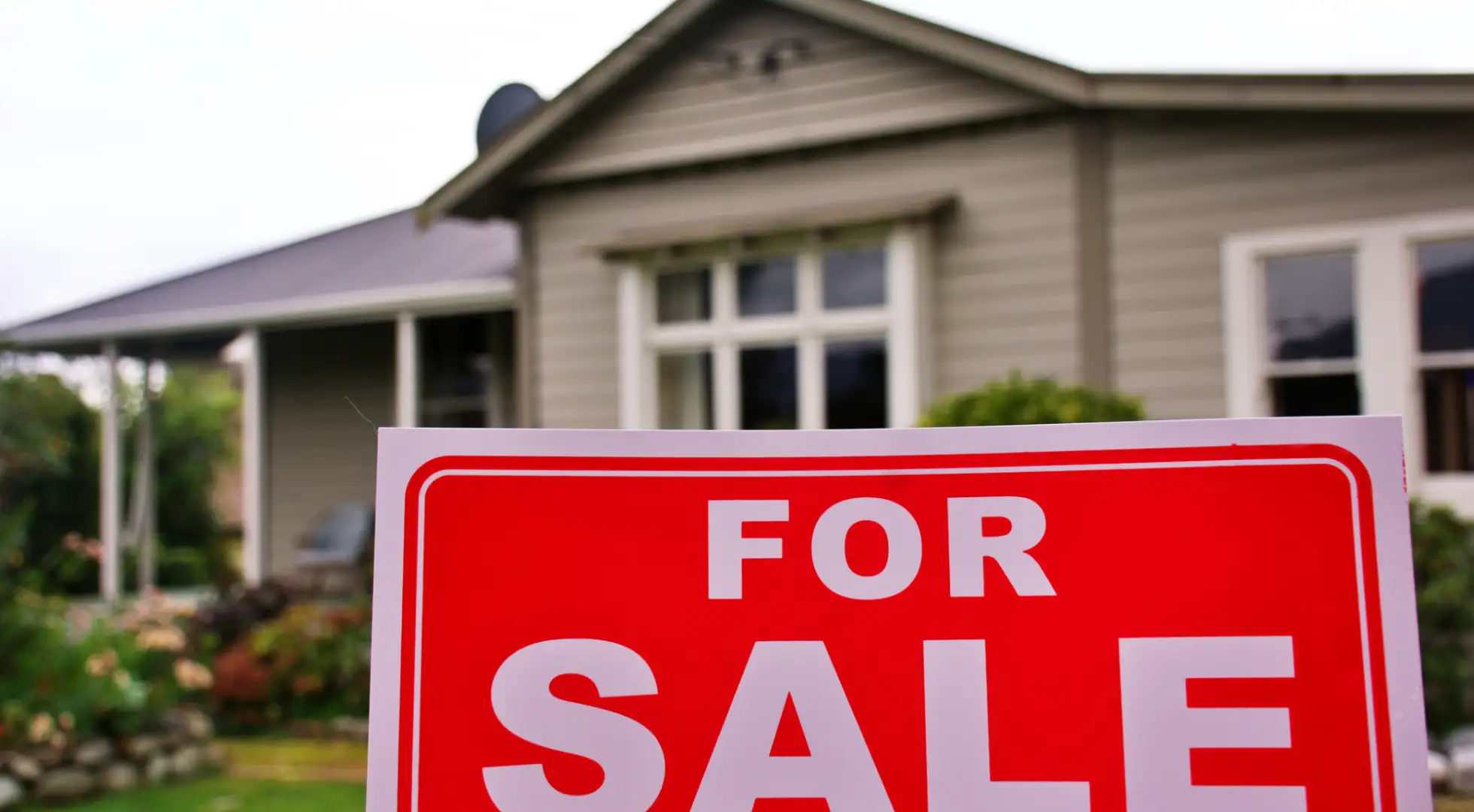
The Wall Street Journal ran a readers' quiz on Dec. 20, "How Much Do You Know About Selling a Home?" And the very first question was: "When inventory is high and demand is low, what is typically the best pricing strategy for getting the highest offer while still selling the home quickly?"
There were four possible answers:
- Set a low asking price to attract multiple offers.
- Calibrate the asking price based on what comparable houses nearby sold for in the last month or so.
- Calibrate the asking price based on what comparable houses nearby sold for in the past year.
- Initially price the home at a premium to test the market, and plan to cut the price a week later if needed.
The Journal's pick was the second answer: set the price based on very recent sales. (Sales that are too old may reflect higher prices that no one would pay now).
We would agree that's most likely the best strategy for a buyer's market. Looking at the sales prices of the most recent "comps" (comparable homes) in the area is how most real estate professionals appraise a property.
But there are better strategies in other markets. In a high-demand situation, setting a low, come-and-get-me listing price can trigger a bidding war that may result in multiple higher-than-asking offers. Meanwhile, in a really slow market, there may not be enough very recent comps to be helpful.
Too High a Starting Price Can Kill a Sale
Regular readers of The Journal would know that it would pick the second multiple-choice answer. That's because it said as much in a different article.
"Homes priced correctly from day one tend to sell more quickly and get nearly 100% of their asking price, according to [the National Association of Realtors®] NAR," the article said. "After three months, sellers usually trim prices by more than 5%, and after a year, by more than 12%."
A classic example of a beautiful home suffering from being originally overpriced is to be found in Los Angeles. It's a 1939-vintage, 30,000 square foot mansion in nearly three acres of prime Bel Air/Holmby Hills real estate. It has 14 bedrooms, a vast home movie theatre, an infinity pool and a gorgeous, expansive yard. It featured multiple times in the second season of the 2020s version of Perry Mason as the Hope Davis character's swanky home. And, assuming it's as good as it looks, we'd buy it in a heartbeat — were we to win the lottery.
The house was first listed 10 years ago at $88 million, according to Realtor.com. In August 2025, it was withdrawn from the market for the umpteenth time, having failed to sell for $39 million. It's a salutary lesson for those who choose to throw the dice when setting a listing price.
A Half-Full Market
"More than half of U.S. mortgage holders have rates of 4% or lower, and 80% have rates under 6%," said Realtor.com® on Nov. 13. "That’s created a powerful lock-in effect, leaving millions reluctant to move and give up their once-in-a-generation rates."
One might expect this to cause a reduction in inventory (homes available for sale), which would push up home prices as stable demand could not be met. But a glance at the Federal Reserve Bank of St. Louis's chart of the median sales price of houses sold shows those prices actually falling since the end of 2022.
This is likely explained by many possible first-time home buyers being put off by what they perceive as high mortgage rates (they're not, historically, but are compared with the all-time lows earlier this decade) and unaffordable homeowners insurance premiums and property taxes.
All this means that home sellers must be realistic when setting their listing prices. The fact that a neighbor's near-identical home sold a few years ago for $x doesn't mean they can still get that much.
And pitching an asking price too high can see a home lingering on the market for a very long time, and selling for less than it's worth, as potential buyers assume there's something wrong with it. If it can happen to a beautiful Bel Air mansion, it can happen to any home.