

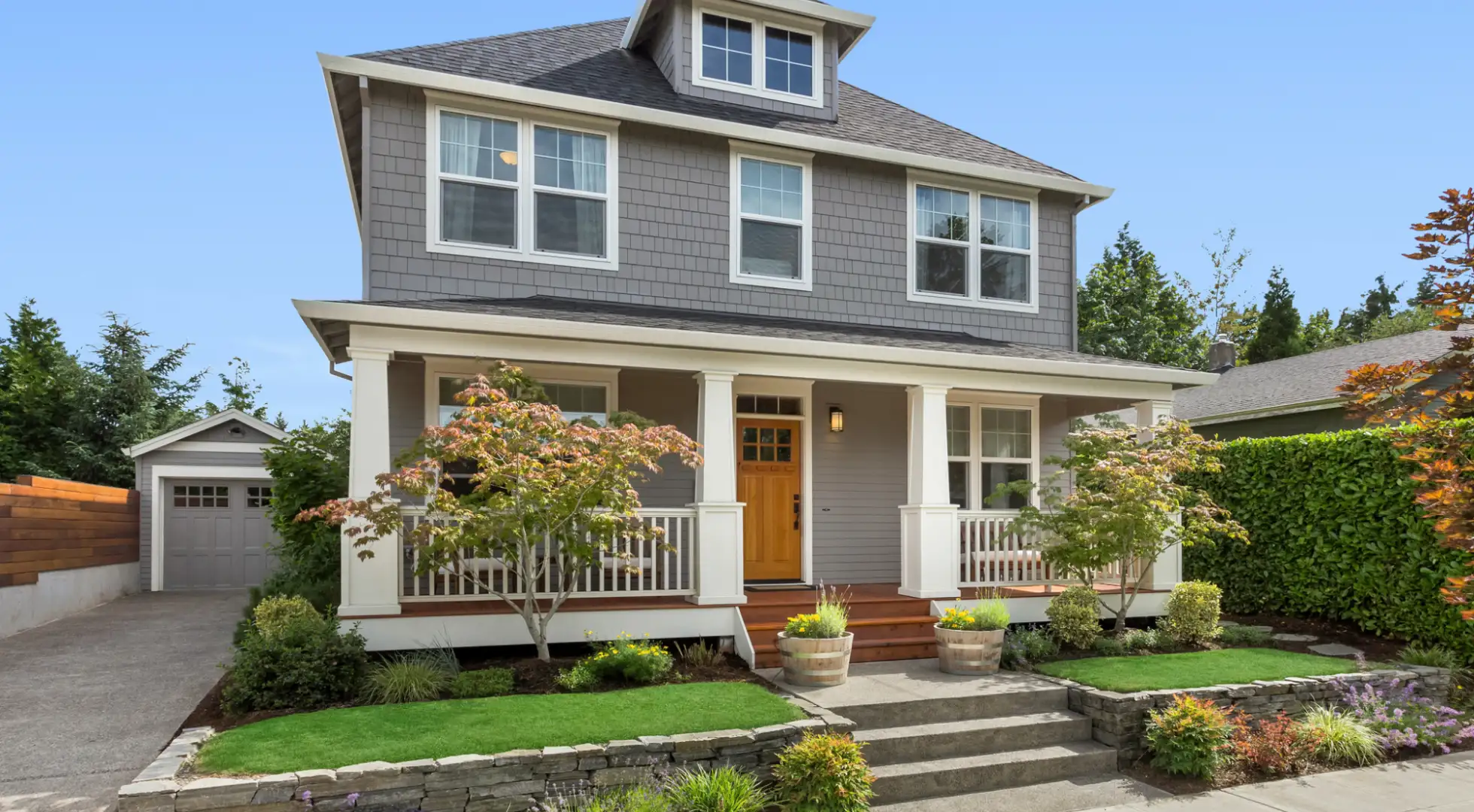
Many baby boomers like the idea of aging in place. That's when they choose to remain in the family home they bought decades ago (when they probably called it their forever home) because it's crammed with memories and continues to be the center of their social and familial networks.
"Many boomers have been resistant to selling their homes and downsizing for a variety of reasons — they're still confident they can stay in their family homes, health-wise; they've invested a lot of money and time in their abodes; and they don't want to take on a new, higher-interest mortgage," said Business Insider in November 2025. "But even when they are moving, they're not really moving down the housing ladder — they're moving laterally."
There's nothing wrong with that. They do own their homes, after all.
However, they need to be aware of the increasing frailty that most seniors face as they age. For example, a nasty fall can have serious health consequences. And it makes sense to prepare now to help prevent such events — before it's too late.
Some Basic Steps
Last Friday, The Wall Street Journal suggested basic steps that people might wish to take as they approach their senior years. These address some common experiences that many older people encounter:
- Diminished eyesight.
- A propensity to trip and fall.
- A loss of some of their youthful ability to balance — For example, it's common for seniors to need to sit down to put on socks and shoes, and that can translate into a need for more grab rails in key spots to help them maintain their balance.
The Journal suggested some simple home improvements, based on the advice and prices suggested by occupational therapist Carol Chiang:
- Declutter — Move unnecessary objects to storage or donate them. In particular, remove throw rugs, which can be trip hazards. $0.
- Install or upgrade overhead lighting — It provides the best light when negotiating one's way around a home. $250-$500.
- Add a second handrail on the staircase, opposite the existing banister — A fall on the stairs can be especially dangerous, and a second rail might save a person from serious injury. $100.
- Heighten the contrast between furniture and flooring — A dark floor with light furniture or a light floor with dark furniture makes it easier to see one's way. Price varies by floor area and amount of furniture.
- Install swing-clear hinges — These open doors wider, allowing easier passage, perhaps even for a wheelchair. $32 for each door.
- Motion-activated lighting — Each unit turns on automatically as one approaches, providing extra light in dark corners and perhaps lighting one's way to the bathroom at night. $40.
Aging in Place Post-Hospitalization
Those changes will always help one to age in place. But they may not be sufficient when one returns home after a hospital stay. Via The Journal, Chiang suggests these additional steps:
- Install a raised toilet seat attachment with arms and bidet — $200.
- Replace the current hose on your shower wand with a longer one — $40.
- Buy friction-reducing bedsheets — $145.
- Install a pull-down seat in the shower — $60.
- Add a half-bed rail to one's side of the bed to prevent rolling out onto the floor. $50.
Chiang reckons these could add up to $500, perhaps less if a handy friend or family member provides the labor.
Aging in Place Can Get Really Costly
Many seniors may be able to live out their years in their forever homes with (or often without) just those measures. But some who encounter serious mobility issues might need much greater investments to age in place.
"The average cost to make a home wheelchair accessible is $4,340, with basic projects costing $125 and more complex renovations costing $19,000," says Angi.
But some homes and mobility issues can cost much more. In December 2025, Discover came up with some rough estimates:
- Install a chairlift: $3,000–$5,000
- Build a wheelchair ramp: $1,700–$5,000
- Widen a doorway: $300–$2,500
- Add grab bars: $85–$300
- Install a specialized doorbell (for people with hearing impairments): $50–$500
- Add auditory smoke detectors (for people with vision impairments): $70–$150
- Create wheelchair-accessible kitchen cabinets: $4,000–$9,000
- Raise a toilet seat: $100–$1,600
- Install an elevator: $35,000–$60,000
"The good news," adds Discover, "There’s help for millions of people to pay for renovations that make their homes more accessible, whether they have physical disabilities that impact mobility, are deaf or hard of hearing, are blind or have diminished vision, are neurodivergent, or have other disabilities that may require a home modification."
Many can access funding through federal, state and local governments, plus nonprofits. Others may have to raid their savings or take out loans.
Older homeowners must decide for themselves — if and when they reach such a point — when it's wise to make such investments and when it's better to move to accommodation that already meets their needs.