

The average 30-year fixed rate mortgage was 6.33% yesterday, unchanged since the day before. The 15-year fixed mortgage rate stood at 5.53%, the same as one the day before. The 30-year FHA mortgage averaged 5.68% yesterday, having stayed the same. Meanwhile, the 30-year jumbo mortgage rate was 6.75%, reflecting no change.
The bigger picture
The final three business days of last week were terrible for mortgage rates. According to ICanBuy, they climbed to 6.32% on Friday evening from 6.17% on Tuesday evening. Mortgage News Daily reckons they rose even more sharply over that period: to 6.41% from 6.09%.
Most of last week's rise was a result of soaring oil prices caused by the war in Iran. But Friday's inflation data, which showed core inflation rising at 3.1% year over year, won't have helped.
Stand by for Wednesday's Federal Reserve announcement and news conference concerning interest rates. That will bring a summary of economic projections, which includes the famous "dot plot."
Scroll on down for information about the Fed meeting and dot plot, along with today's economic reports, including their possible impacts on mortgage rates.
Mortgage Rate Trends: Past 90 Days
Purchase Rates
| Loan Type | Rate | APR | Daily Change | Monthly Change |
|---|---|---|---|---|
| 30-Year Fixed | 6.33% | 6.36% | +0% | +0.3% |
| 15-Year Fixed | 5.53% | 5.59% | +0% | +0.32% |
| 30-Year Fixed FHA | 5.68% | 6.9% | +0% | +0.19% |
| 30-Year Fixed VA | 5.83% | 5.98% | +0% | +0.23% |
| 30-Year Fixed USDA | 5.84% | 5.99% | +0% | +0.26% |
| 30-Year Fixed Jumbo | 6.75% | 6.78% | +0% | +0.24% |
| 5/6 Year ARM | 5.97% | 6.02% | +0% | +0.11% |
Refinance Rates
| Loan Type | Rate | APR | Daily Change | Monthly Change |
|---|---|---|---|---|
| 30-Year Fixed | 6.38% | 6.41% | +0% | +0.32% |
| 15-Year Fixed | 5.5% | 5.54% | +0% | +0.35% |
| 30-Year Fixed FHA | 5.68% | 6.89% | +0% | +0.22% |
| 30-Year Fixed VA | 5.86% | 6% | +0% | +0.23% |
| 5/6 Year ARM | 5.97% | 6.01% | +0% | +0.09% |
Fed meeting
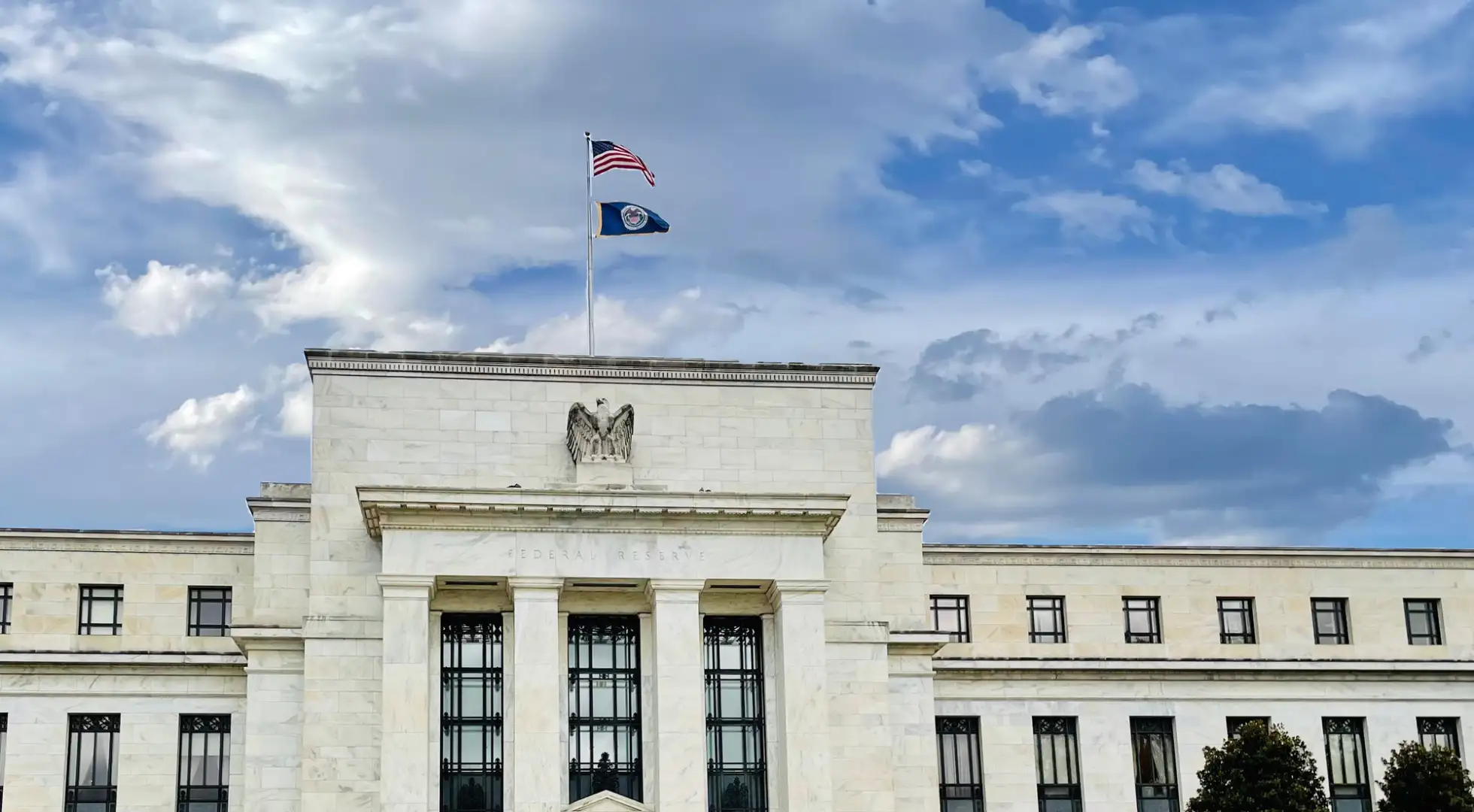
Every six weeks or so, the Fed meets to decide whether general interest rates should change. The body that makes those decisions is the Federal Open Market Committee or FOMC, and the next meeting is due to conclude on Wednesday.
Its job is to maintain prosperity (mostly measured through the labor market) while keeping inflation in check. That's not always an easy line to tread.
On March 6, markets were shocked by the weakness of the jobs report, which showed the economy shedding 92,000 jobs in February and the unemployment rate inching higher.
Meanwhile, last Friday's PCE price index, the Fed's preferred gauge of inflation, revealed that underlying ("core") inflation was running at 3.1% year over year in January. The FOMC's target inflation rate is an annual 2%.
The Fed is typically more spooked by inflation than employment, and markets are expecting it to hold general interest rates steady at its meeting on Wednesday. Indeed, the CME FedWatch tool puts the odds of a no-change announcement at 98.2%.
Before the war in Iran, that tool showed investors expecting a rate cut in July with another later in the year. But since then, expectations have changed, and over the weekend, the FedWatch tool suggested most investors now expect a single cut this year in December.
Dot plot
At alternate FOMC meetings, the members release a summary of economic projections, which includes the famous dot plot.
Encyclopedia Britannica says, "The Fed dot plot is a chart that shows you where each FOMC member thinks interest rates will be by the end of the current year, two or three (depending on the time of year) consecutive years after, and the more ambiguous 'longer run.' Each 'dot' represents a member’s individual view."
Markets typically take dot plots extremely seriously. And they may take special notice this time because it will show how the Fed views the likely impact of the Iran war on U.S. inflation and the economy.
Fed chair's news conference
At 2:30 p.m. Eastern on Wednesday, 30 minutes after the rate announcement and dot plot release, Fed Chair Jerome Powell will hold a news conference. Powell is scheduled to retire from the chair in May, so some investors may see him as a lame duck.
However, others will probably listen to him very carefully as a widely respected economic commentator, who is delivering the FOMC's new insights.
What's coming up?
Although economic reports are usually the main drivers of changes to mortgage rates, they're not the only ones. The general mood in markets and economically consequential news can also affect those rates. News items concerning the war, employment, inflation, tariffs, and deficit funding are especially influential at the moment.
Mortgage rates today
There are three economic reports on today's MarketWatch economic calendar. None of them typically has much effect on mortgage rates.
Here are what markets are expecting from today's reports:
- March Empire State manufacturing survey — Markets expect this to fall to 4.1 from February's 7.1
- February industrial production — Markets expect growth to slow to 0.1%, compared with January's 0.7%
- February capacity utilization — Markets expect utilization to hold steady at 76.2%
Mortgage rates typically rise when important reports deliver better-than-expected economic news, and fall when that news is worse than expected. Outcomes close to expectations tend not to affect mortgage rates.
Today's reports will likely need to contain some shocking figures to move mortgage rates far.